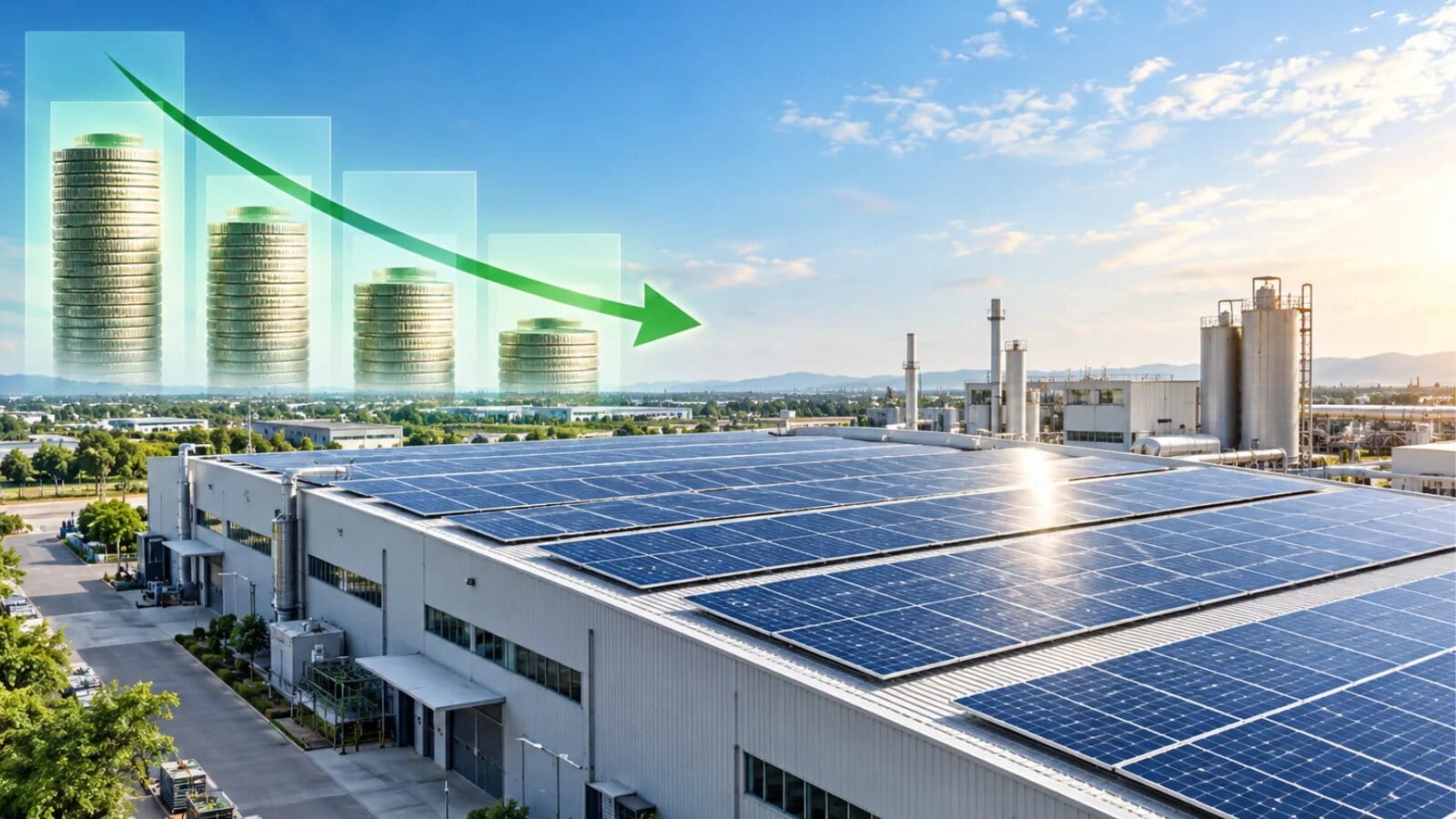
Electricity is one of the major operating expenses for manufacturing units and factories. From running heavy machinery and production lines to lighting, cooling and other daily operations, businesses consume a significant amount of power.
With rising electricity expenses, many factory owners are exploring solar energy as a practical way to reduce their energy costs. By installing rooftop solar panels, businesses can generate their own electricity and reduce their dependence on conventional grid power.
Let’s understand how solar energy can help factories save money and improve long-term business efficiency.
1. Why Should Factories Consider Solar Energy?
Factories often have large rooftop spaces and consume electricity throughout the day, making them suitable candidates for solar installations.
Here are some key reasons to consider solar power:
- Lower electricity bills: Generate your own electricity and reduce the amount of power purchased from the grid.
- Better energy cost management: Reduce exposure to changing electricity tariffs.
- Utilise unused rooftop space: Convert factory rooftops into productive energy-generating areas.
- Sustainable operations: Reduce dependence on conventional energy sources and lower your carbon footprint.
- Long-term savings: Generate electricity from sunlight for years with proper system maintenance.
2. How Does Solar Power Reduce Factory Electricity Expenses?
A rooftop solar system generates electricity during daylight hours, when many factories are actively operating.
The electricity generated can directly power machinery, equipment, lighting and other operations. This reduces the amount of electricity the factory needs to purchase from the grid.
For example, if a factory consumes 1,000 units of electricity daily and its solar system generates 400 units that are used on-site, the factory may need to purchase only the remaining 600 units from the grid.
Actual savings depend on the electricity tariff, solar generation, consumption pattern and applicable billing regulations.
3. Which Industries Can Benefit from Solar Energy?
Solar energy can be useful for several types of industrial and commercial establishments, including:
- Manufacturing Units: Reduce electricity expenses associated with production machinery.
- Hospitals: Support the electricity requirements of lighting, equipment and cooling systems.
- Cold Storage Facilities: Help manage the energy costs of refrigeration and temperature-control systems.
- Hotels: Reduce electricity consumption costs for lighting, air conditioning and other operations.
- Schools and Educational Institutions: Generate electricity for classrooms, laboratories and other facilities.
- Furniture Factories: Support energy-intensive cutting, polishing and manufacturing operations.
Businesses with significant daytime electricity consumption can particularly benefit from rooftop solar.
4. What Type of Solar System Is Suitable for Factories?
The right solar solution depends on the factory’s electricity consumption, available space and operational requirements.
On-Grid Solar System: Connected to the electricity grid, this system allows businesses to use solar power during the day and draw electricity from the grid when required. Applicable net-metering or other export arrangements depend on state regulations.
Hybrid Solar System: Combines solar panels, battery storage and grid connectivity. It can store surplus electricity for later use, depending on system design and battery capacity.
Captive Solar Power: Businesses can also explore dedicated solar power plants for their electricity requirements, subject to applicable regulations and project feasibility.
A professional energy assessment can help determine the most suitable option.
5. How Much Can a Factory Save with Solar?
The savings depend on several factors, including:
- Monthly electricity consumption
- Existing electricity tariff
- Solar system capacity
- Available rooftop area
- Daytime electricity usage
- Applicable net-metering and grid-export regulations
For example, a factory that operates mainly during daylight hours may use a large portion of its solar generation directly, helping reduce its electricity purchases.
Before installation, businesses should analyse their electricity bills and consumption patterns to estimate potential savings and the expected return on investment.
6. What Should Businesses Check Before Installing Solar?
Before investing in a factory solar system, consider these important points:
- Electricity Bill Analysis: Review at least 12 months of electricity bills to understand consumption and tariff patterns.
- Rooftop Assessment: Check available space, structural strength and shading.
- System Capacity: Select a system based on actual energy requirements rather than simply installing the maximum possible capacity.
- Quality Equipment: Choose reliable solar panels, inverters and mounting structures.
- Professional Installation: Ensure proper engineering, installation, safety checks and commissioning.
- Long-Term Maintenance: Monitor system performance and schedule regular inspections.
For larger industrial projects, businesses should also evaluate demand charges, time-of-day tariffs and applicable grid charges while calculating their savings.
Conclusion: Make Your Factory More Energy Efficient with Solar
Solar energy offers factories an opportunity to reduce electricity expenses, utilise unused rooftop space and move towards more sustainable operations.
With the right system design and professional installation, businesses can generate their own electricity and improve long-term control over energy costs.
Your factory roof can do more than provide shelter. It can become a source of power and long-term savings.
Power Your Business with Solar Fusion
Looking to reduce your factory’s electricity expenses? Solar Fusion provides solar solutions for industrial and commercial establishments, helping businesses explore suitable systems based on their electricity requirements.
📞 Contact: +91 947-984-3008
🌐 Website: www.solarfusion.in
📧 Email: [email protected]
Director: Mr. Gavish Jaiswal
📲 Facebook: facebook.com/solarfusionind
📲 Instagram: instagram.com/solar_fusion75