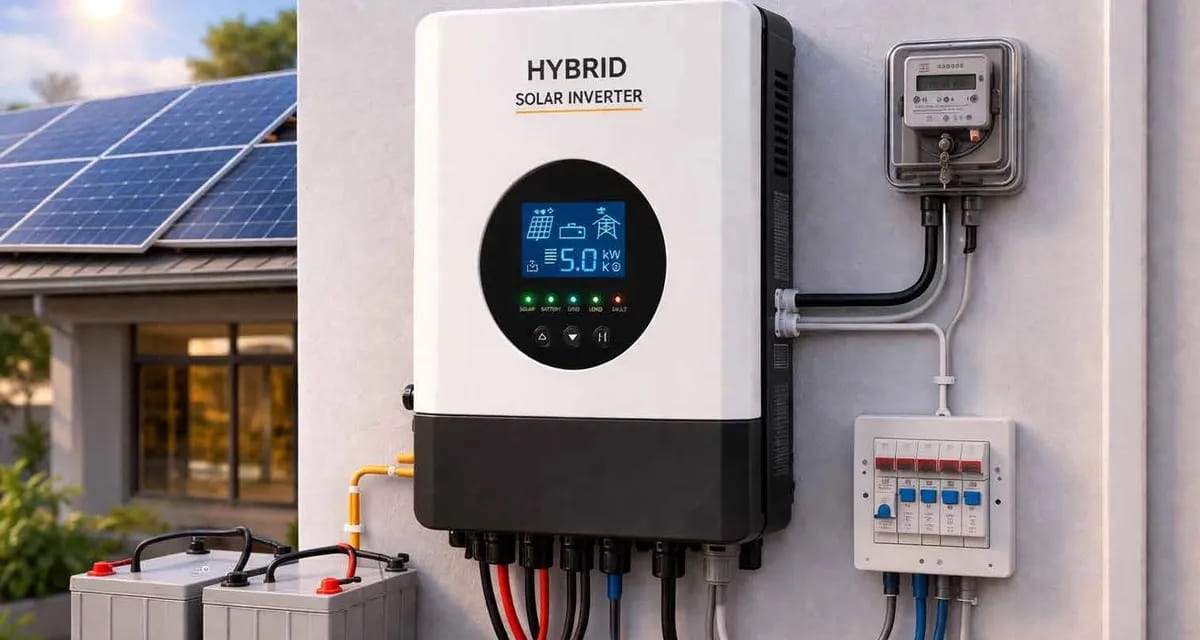
As India continues its journey toward clean and sustainable energy, homeowners and businesses are exploring smarter ways to meet their electricity needs. While traditional on-grid solar systems remain a popular choice, hybrid solar systems are gaining significant attention for their ability to provide both energy savings and power backup.

By combining solar panels, battery storage, and grid connectivity, hybrid solar systems offer the best of both worlds. They help reduce electricity bills while ensuring a reliable power supply during outages.

Let’s explore why hybrid solar systems are becoming increasingly popular across India.

What Is a Hybrid Solar System?

A hybrid solar system combines three key components:

  • Solar panels that generate electricity from sunlight
  • A battery storage system to store excess energy
  • Grid connectivity for additional power when needed

During the day, the solar panels power your home and can charge the battery. If the battery is fully charged, excess electricity may be exported to the grid (subject to your system configuration and local regulations). During a power cut, the battery can supply electricity to selected household loads, depending on the system’s design and battery capacity.

Why Are Hybrid Solar Systems Becoming Popular?

Several factors are driving the demand for hybrid solar systems in India.

1. Reliable Backup During Power Outages

One of the biggest advantages of a hybrid solar system is its ability to provide backup power.

Unlike many standard on-grid systems, which shut down during a grid outage for safety reasons, a properly configured hybrid system can continue supplying electricity to essential appliances using stored battery energy.

This makes hybrid systems especially valuable in areas that experience frequent power interruptions.

2. Lower Electricity Bills

Like conventional rooftop solar systems, hybrid systems generate electricity from sunlight, reducing your dependence on grid power.

This helps homeowners:

  • Lower monthly electricity bills
  • Maximize the use of self-generated solar energy
  • Reduce long-term energy costs

The battery allows you to use stored solar energy later, such as during the evening when solar panels are no longer generating power.

3. Better Energy Independence

With a hybrid solar system, you rely less on the electricity grid.

By storing excess solar energy for later use, homeowners gain greater control over their energy consumption and are less affected by fluctuations in electricity supply.

4. Smarter Energy Management

Modern hybrid systems include intelligent energy management features that automatically decide when to:

  • Use solar power
  • Charge the battery
  • Draw electricity from the grid
  • Supply stored battery power

This helps optimize energy usage without requiring manual intervention.

5. Growing Interest in Battery Storage

Advances in battery technology have made energy storage more efficient and reliable.

Modern lithium-based batteries offer:

  • Faster charging
  • Longer lifespan
  • Better performance
  • Lower maintenance
  • Compact design

As battery technology continues to improve, hybrid solar systems are becoming an increasingly attractive option for homeowners.

Who Should Consider a Hybrid Solar System?

Hybrid solar systems are particularly suitable for:

  • Homes in areas with frequent power cuts
  • Families looking for backup power during outages
  • Homeowners who want greater energy independence
  • Small businesses that require uninterrupted electricity
  • People planning for future energy needs

A professional site assessment can help determine whether a hybrid system is the right choice for your home.

Hybrid vs. On-Grid Solar Systems

Feature Hybrid Solar System On-Grid Solar System
Electricity Bill Savings ✔ Yes ✔ Yes
Battery Backup ✔ Yes ✘ No
Works During Power Outages* ✔ Yes ✘ Typically No
Battery Storage ✔ Included ✘ Not Included
Grid Connection ✔ Yes ✔ Yes

*Performance during outages depends on the system configuration, battery capacity, and installation design.

Things to Consider Before Choosing a Hybrid System

Before investing in a hybrid solar system, consider:

  • Your average monthly electricity consumption
  • Frequency of power outages in your area
  • Available rooftop space
  • Your backup power requirements
  • Budget and long-term energy goals

Consulting an experienced solar installer ensures you choose the right system size and battery capacity.

The Future of Hybrid Solar in India

As India continues expanding its renewable energy infrastructure, hybrid solar systems are expected to play an increasingly important role. Improvements in battery technology, smart energy management, and solar panel efficiency are making these systems more practical and attractive than ever before.

For homeowners seeking both lower electricity bills and reliable backup power, hybrid solar offers a future-ready solution that combines sustainability with convenience.

Choose the Right Solar Solution with Solar Fusion

At Solar Fusion, we help homeowners and businesses select the solar solution that best fits their energy needs. Whether you’re considering an on-grid or hybrid solar system, our experienced team provides expert consultation, professional installation, and dependable after-sales support.

Let us help you build a smarter, more energy-efficient future with a solar system designed specifically for your home.

📞 Contact Us

Start your solar journey today with expert guidance.

📞 Contact: +91 940-389-1609

🌐 Website: www.solarfusion.in

📧 Email: [email protected]

Director: Mr. Gavish Jaiswal

📲 Stay Connected

Facebook: facebook.com/solarfusionind

Instagram: instagram.com/solar_fusion75
What Is a Solar Monitoring App?

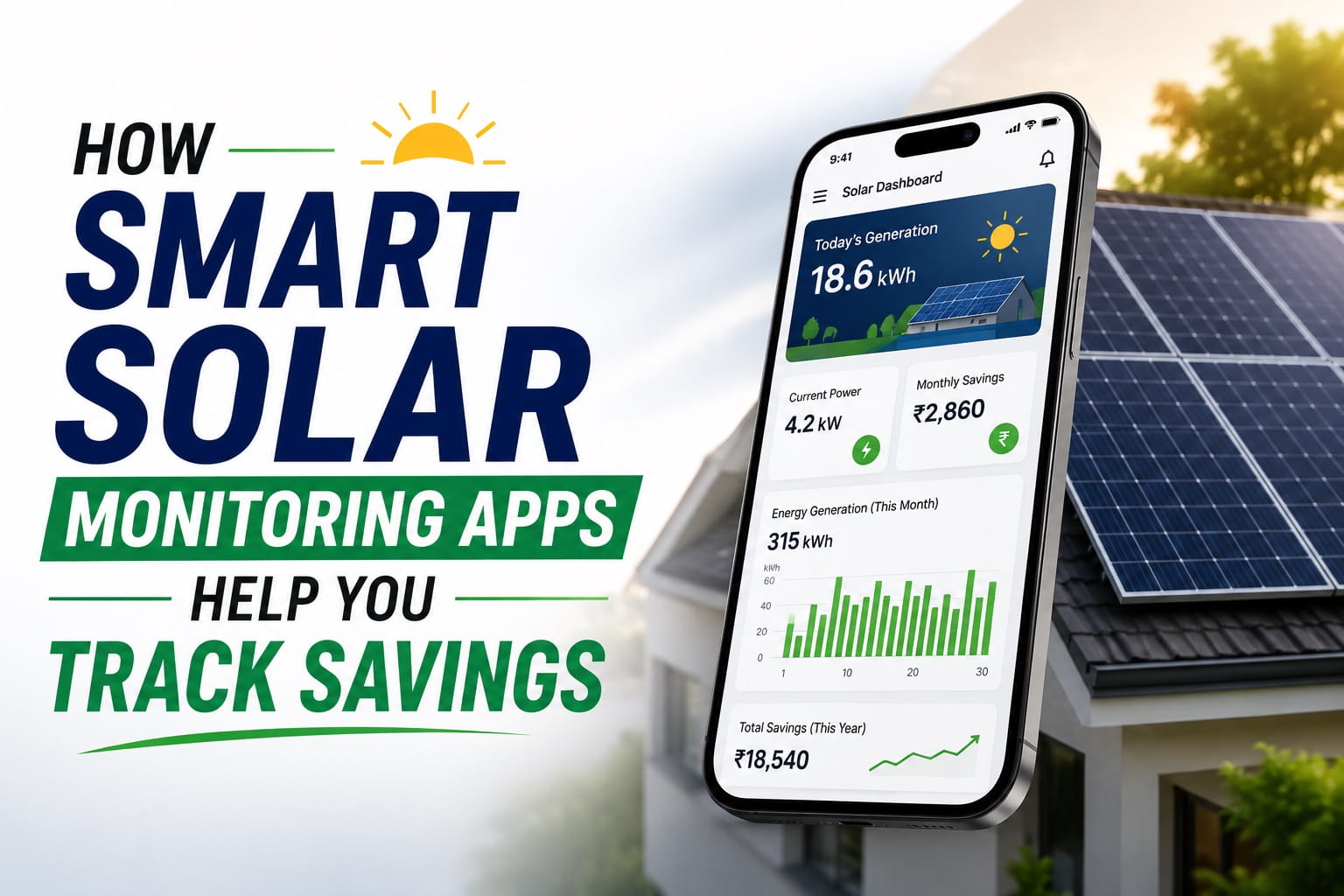
A solar monitoring app is a digital platform that connects to your solar inverter or monitoring device and displays important information about your solar system.

Using the app, you can view:

  • Daily electricity generation
  • Monthly and yearly energy production
  • System performance
  • Estimated electricity savings
  • Environmental impact
  • Alerts and fault notifications

Instead of guessing how well your system is performing, you have accurate information at your fingertips.

1. Track Electricity Generation in Real Time

One of the biggest advantages of a solar monitoring app is the ability to monitor your system’s electricity generation in real time.

You can instantly see:

  • Current power output
  • Daily energy generation
  • Total electricity produced
  • Historical performance data

This helps you understand how much energy your rooftop solar system is generating throughout the day.

2. Monitor Your Savings

Many solar monitoring platforms estimate how much money your system has helped you save.

Based on your energy generation and electricity consumption, the app can provide valuable insights into:

  • Estimated reduction in electricity bills
  • Lifetime savings
  • Monthly savings trends
  • Long-term financial benefits

Watching your savings grow over time makes your solar investment even more rewarding.

3. Detect Problems Early

A drop in electricity generation may indicate that your system requires attention.

Smart monitoring apps can notify you about:

  • Low energy production
  • Inverter faults
  • Communication issues
  • System errors
  • Performance irregularities

Early detection allows you to resolve problems before they affect long-term performance.

4. Compare Daily, Monthly, and Yearly Performance

Monitoring apps maintain detailed records of your system’s performance.

You can compare:

  • Today’s generation with yesterday’s
  • Monthly electricity production
  • Seasonal performance
  • Annual energy output

These reports help you understand how weather conditions and seasonal changes influence solar generation.

5. Improve System Maintenance

Monitoring your solar system regularly makes maintenance easier.

If you notice a sudden decrease in performance, you can inspect for:

  • Dust accumulation
  • Bird droppings
  • Shading from nearby trees
  • Inverter issues
  • Electrical faults

Timely maintenance helps maintain optimal system efficiency.

6. Measure Your Environmental Impact

Many monitoring apps also estimate your contribution to the environment.

They may display:

  • Carbon emissions avoided
  • Trees equivalent planted
  • Clean energy generated
  • Reduction in fossil fuel consumption

These insights highlight how your rooftop solar system contributes to a greener future.

7. Access Your Solar Data Anytime, Anywhere

Whether you’re at home, at work, or travelling, a smart monitoring app lets you check your solar system from anywhere.

Most apps are compatible with smartphones, tablets, and computers, making it convenient to stay informed about your system’s performance at all times.

Why Monitoring Matters

Regular monitoring helps homeowners:

  • Maximize electricity generation
  • Detect issues early
  • Improve maintenance planning
  • Track long-term savings
  • Ensure the system performs efficiently
  • Gain peace of mind

A few minutes of monitoring each week can help protect your investment for years to come.

Smart Technology for Smarter Savings

Today’s rooftop solar systems are not just about generating electricity—they’re about managing energy intelligently.

With a smart solar monitoring app, homeowners can make informed decisions, optimize energy usage, and clearly see the financial and environmental benefits of going solar.

As technology continues to evolve, smart monitoring is becoming an essential part of every modern rooftop solar system.

Monitor Your Solar Journey with Solar Fusion

At Solar Fusion, we believe that every homeowner should have complete visibility into their solar investment. That’s why we offer advanced rooftop solar solutions with reliable monitoring support, helping you track your system’s performance and maximize long-term savings.

From installation to after-sales assistance, our experienced team is committed to ensuring your solar system delivers efficient, reliable, and hassle-free performance for years to come.

📞 Contact Us

Start your solar journey today with expert guidance.

📞 Contact: +91 940-389-1609
🌐 Website: www.solarfusion.in
📧 Email: [email protected]

Director: Mr. Gavish Jaiswal

📲 Stay Connected

Facebook: facebook.com/solarfusionind
Instagram: instagram.com/solar_fusion75
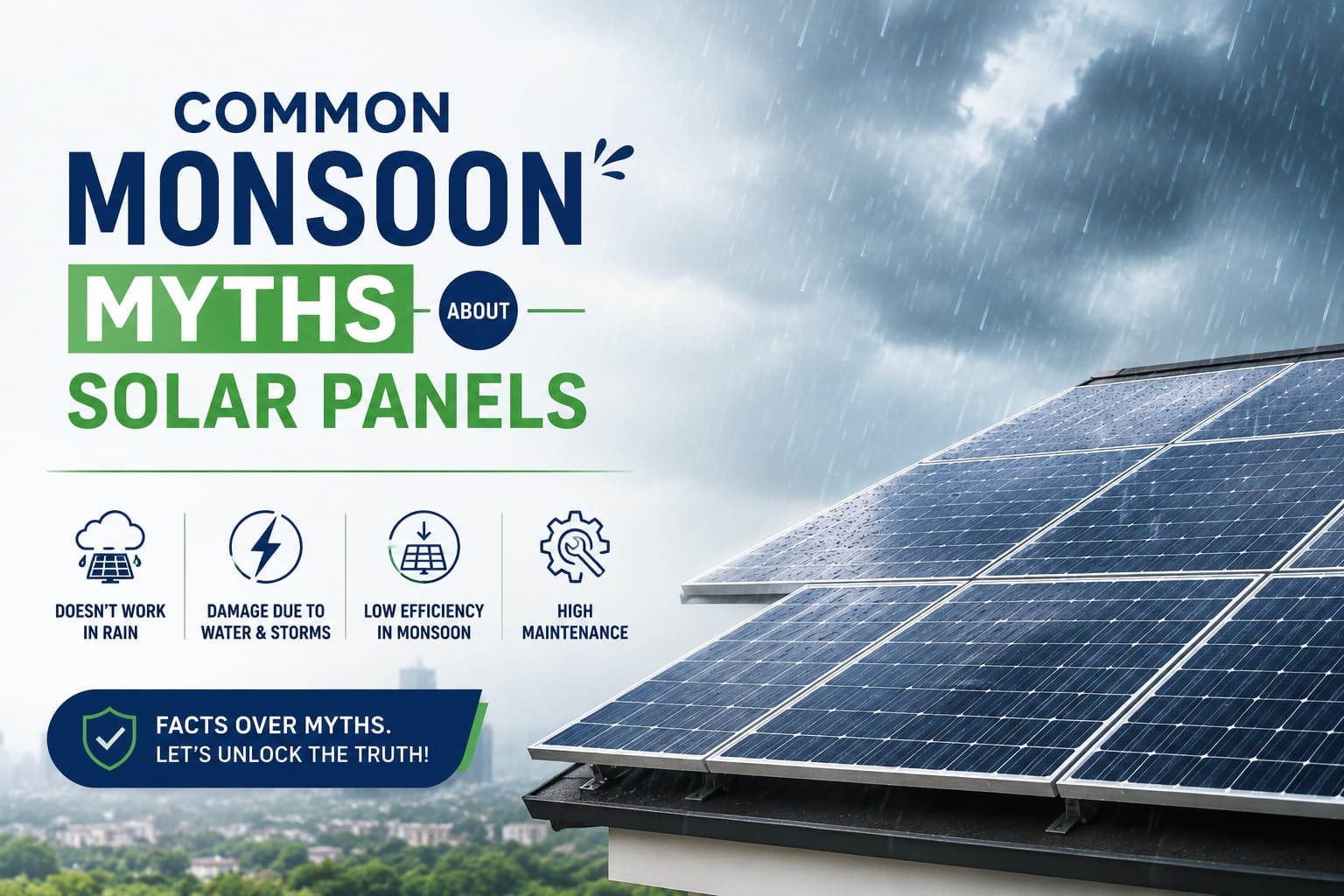
The arrival of the monsoon brings much-needed relief from the summer heat, but it also raises several questions among homeowners considering rooftop solar. One of the most common concerns is whether solar panels perform well during the rainy season.

Over the years, many misconceptions have emerged about solar panels and monsoon weather. While it’s true that heavy cloud cover can temporarily reduce electricity generation, modern solar systems are designed to perform efficiently throughout the year—including during the rainy season.

Let’s separate fact from fiction by exploring some of the most common monsoon myths about solar panels.

Myth 1: Solar Panels Don’t Work During Rainy Days

Fact: Solar panels generate electricity from sunlight, not heat.

Even on cloudy or rainy days, sunlight still reaches the earth. Although power generation may be lower than on bright sunny days, solar panels continue producing electricity.

Modern high-efficiency solar panels are designed to capture available sunlight even under diffused light conditions.

Myth 2: Monsoon Weather Damages Solar Panels Easily

Fact: Quality solar panels are built to withstand harsh weather conditions.

Certified solar panels undergo rigorous testing to ensure they can handle:

  • Heavy rainfall
  • Strong winds
  • High humidity
  • Temperature fluctuations
  • Hail (within certified limits)

When installed by experienced professionals using high-quality mounting structures, rooftop solar systems are designed to perform safely during the monsoon season.

Myth 3: Rain Completely Stops Solar Power Generation

Fact: Rain may temporarily reduce output, but it does not stop electricity generation altogether.

Cloud cover affects the amount of sunlight available, which naturally reduces energy production. However, unless conditions are extremely dark, your solar panels will continue generating power throughout the day.

Over the course of a year, the high electricity generation during sunny months helps balance the reduced output during the monsoon.

Myth 4: Solar Panels Need Constant Cleaning During Monsoon

Fact: Rain actually helps clean the panels.

Rainwater naturally washes away much of the dust and dirt accumulated on the panel surface.

However, after the rainy season, it is still a good idea to inspect the panels for:

  • Bird droppings
  • Leaves
  • Mud deposits
  • Debris

Regular inspections ensure the system continues performing efficiently.

Myth 5: Water Can Enter the Solar Panels

Fact: High-quality solar panels are designed to resist water ingress.

Solar panels are manufactured with protective glass, durable frames, and sealed electrical components that are designed for outdoor use.

When installed correctly, rainwater does not enter the panels or affect their internal components.

Myth 6: Solar Panels Become Unsafe During Rain

Fact: Professionally installed solar systems are designed with safety in mind.

A properly installed rooftop solar system includes:

  • Weather-resistant wiring
  • Secure mounting structures
  • Proper earthing
  • Electrical protection devices
  • Certified components

These safety measures help ensure reliable operation during all seasons, including the monsoon.

Myth 7: Monsoon Means Solar Is Not Worth the Investment

Fact: Solar systems are designed to perform throughout the year—not just during summer.

When evaluating solar performance, it’s important to consider annual electricity generation rather than just one season.

India enjoys abundant sunshine for most of the year, allowing rooftop solar systems to generate substantial electricity and long-term savings despite seasonal variations.

Tips to Keep Your Solar System Performing Well During Monsoon

To maximize your system’s performance during the rainy season:

  • Inspect the panels for leaves or debris.
  • Ensure nearby trees are trimmed to minimize shading.
  • Monitor your system’s performance through the inverter or mobile app.
  • Check that rainwater drains properly from your rooftop.
  • Schedule a professional inspection if you notice unusual drops in electricity generation.

These simple steps help maintain your system’s efficiency and reliability.

Why You Shouldn’t Delay Going Solar

Many homeowners postpone installing solar because they believe they should wait until after the monsoon. In reality, solar systems are designed to operate year-round, and installation can be carried out in most weather conditions with proper planning.

Delaying your installation means delaying the savings on your electricity bills. The sooner your system is installed, the sooner you begin generating clean energy and reducing your dependence on conventional electricity.

Trust Solar Fusion for Reliable Rooftop Solar Solutions

At Solar Fusion, we provide high-quality rooftop solar systems designed to perform efficiently in every season. From expert site assessment and professional installation to after-sales support and maintenance guidance, our experienced team ensures you get the maximum benefit from your solar investment.

Rain or shine, we’re here to help you harness the power of the sun with confidence.

📞 Contact Us

Start your solar journey today with expert guidance.

📞 Contact: +91 940-389-1609
🌐 Website: www.solarfusion.in
📧 Email: [email protected]
Director: Mr. Gavish Jaiswal

📲 Stay Connected

Facebook: facebook.com/solarfusionind
Instagram: instagram.com/solar_fusion75