In today’s fast-paced world, our energy choices are shaping not just our lifestyle but also the planet’s future. The increasing effects of climate change, rising fuel costs, and the urgent need to protect natural resources have made green energy more important than ever.

Why Switch to Green Energy?
Green energy—like solar, wind, and hydropower—is clean, renewable, and sustainable. Unlike fossil fuels, it does not release harmful greenhouse gases, making it a powerful way to combat global warming. By choosing renewable energy, you can:
Reduce your electricity bills

  • Lower your carbon footprint
  • Support a cleaner and healthier environment
  • Contribute to energy independence
  • Benefits for You and the Planet

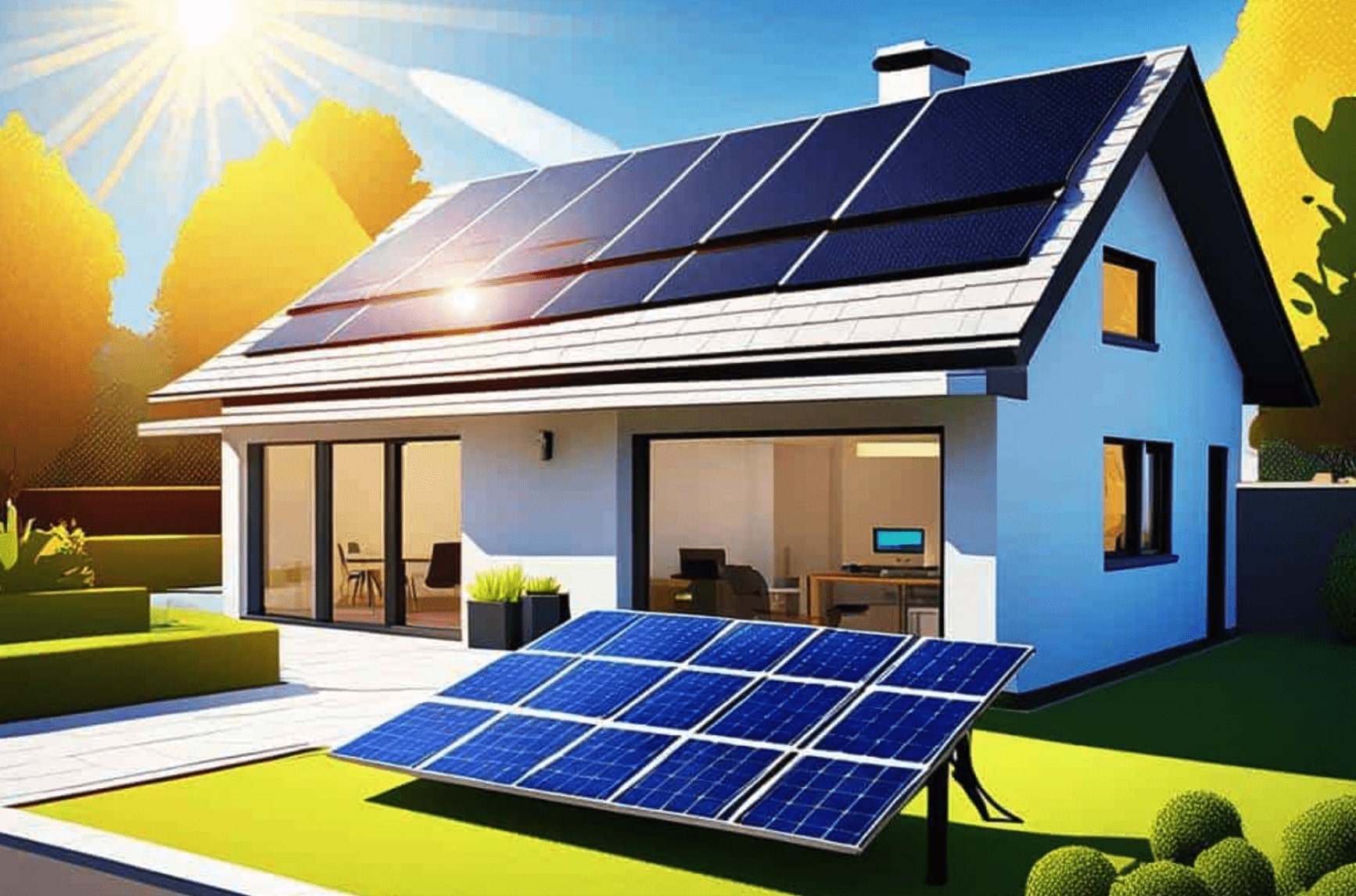
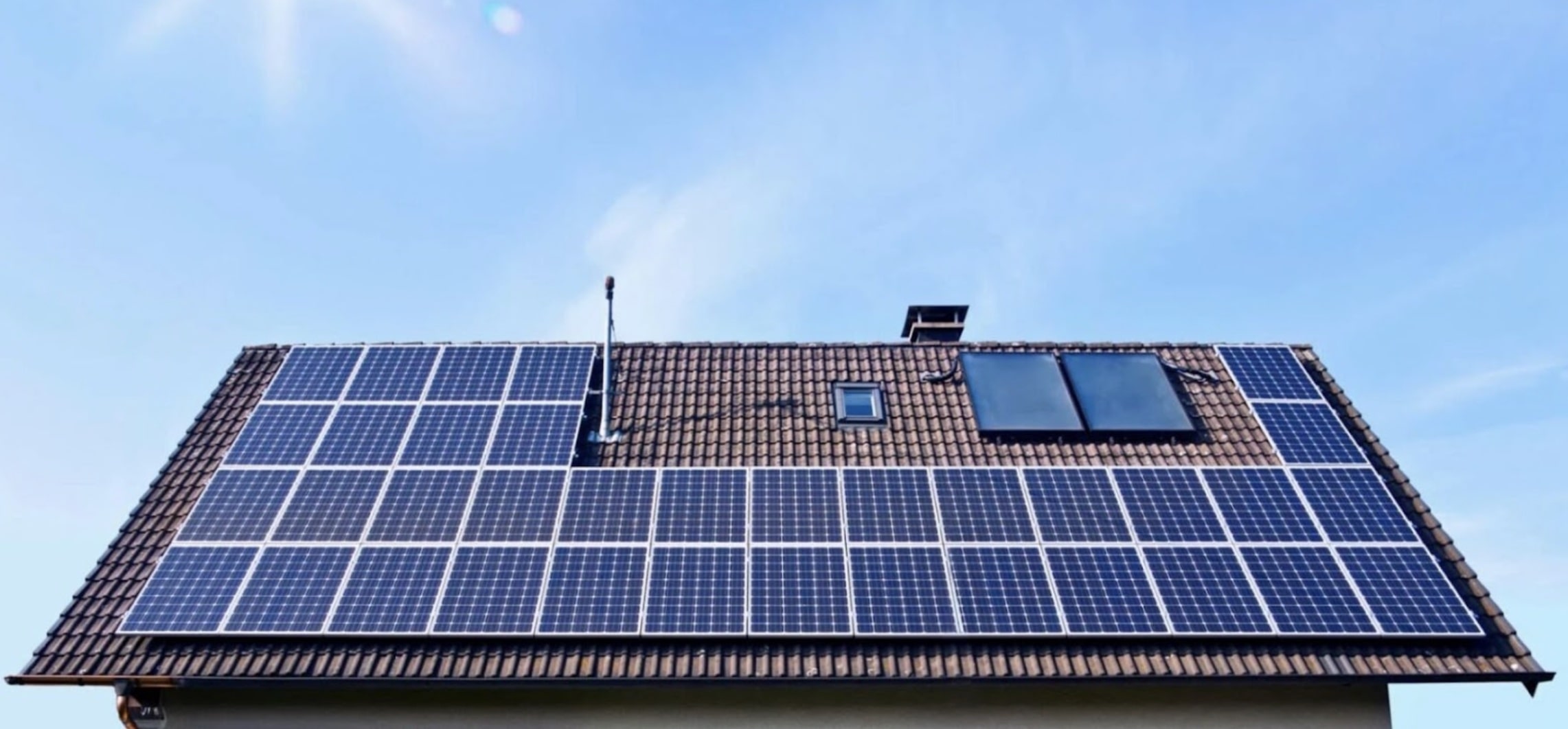
Switching to solar panels on your rooftop, using energy-efficient appliances, or opting for renewable energy providers brings long-term financial savings while ensuring a sustainable future. Plus, government subsidies and incentives make going green more affordable than ever.

The Time is Now
Every step counts. Whether it’s powering your home with solar energy, encouraging your workplace to adopt sustainable practices, or simply spreading awareness, your decision to switch today can inspire others tomorrow.

Every year on 20th August, India observes Akshay Urja Diwas (Renewable Energy Day) to spread awareness about the importance of renewable energy in our daily lives. The day marks the birthday of former Prime Minister Rajiv Gandhi, who believed in promoting sustainable development and clean energy initiatives.

Why Akshay Urja Matters

The term Akshay Urja translates to inexhaustible energy, referring to sources like solar, wind, hydro, and biomass energy. Unlike fossil fuels, these energy sources are sustainable, abundant, and eco-friendly. With rising concerns over climate change, depleting natural resources, and increasing electricity demand, renewable energy has become the need of the hour.

India’s Progress in Renewable Energy

  • India has emerged as one of the world’s leaders in renewable energy:
  • The country ranks among the top five globally in installed solar and wind capacity.
  • Government initiatives like PM-KUSUM Yojana and Rooftop Solar Subsidy Schemes are making renewable energy more accessible.
  • India aims to achieve 500 GW of renewable energy capacity by 2030.

How You Can Contribute

  • Install solar panels at home or the workplace.
  • Choose energy-efficient appliances.
  • Reduce wastage of electricity by adopting simple habits like switching off unused lights and fans.
  • Spread awareness in your community about the benefits of green energy.

Conclusion
Akshay Urja Diwas is not just a day of observance—it is a call to action. By shifting towards renewable energy, we can ensure a cleaner environment, lower electricity costs, and a sustainable future for generations to come. Let’s pledge to make renewable energy a part of our lifestyle and support India’s journey towards becoming a green energy hub.

Connect With Us
At Educosmic Solutions Pvt. Ltd., we are committed to promoting clean and renewable energy solutions for a brighter future.
📞 Contact: +91 940-389-1609
🌐 Website: www.solarfusion.in
📧 Email: [email protected]
👤 Director: Mr. Gavish Jaiswal

The Pradhan Mantri Kisan Urja Suraksha evam Utthaan Mahabhiyan (PM-KUSUM) is a flagship scheme launched by the Government of India in 2019 to promote the use of solar energy in the agricultural sector. The objective of the scheme is to provide sustainable and affordable energy solutions to farmers, reduce their dependence on expensive diesel and grid electricity, and improve their income through clean energy generation. Implemented by the Ministry of New and Renewable Energy (MNRE), PM-KUSUM plays a key role in achieving the government’s vision of doubling farmers’ income while promoting energy self-reliance in rural areas.

PM-KUSUM is Structured Around Three Major Components.

Component A
Farmers, cooperatives, and panchayats can install decentralised solar power plants (up to 2 MW capacity) on barren or unused agricultural land. The power generated from these plants can be sold to the local electricity distribution companies (DISCOMs), allowing farmers to earn an additional source of income.

Component B
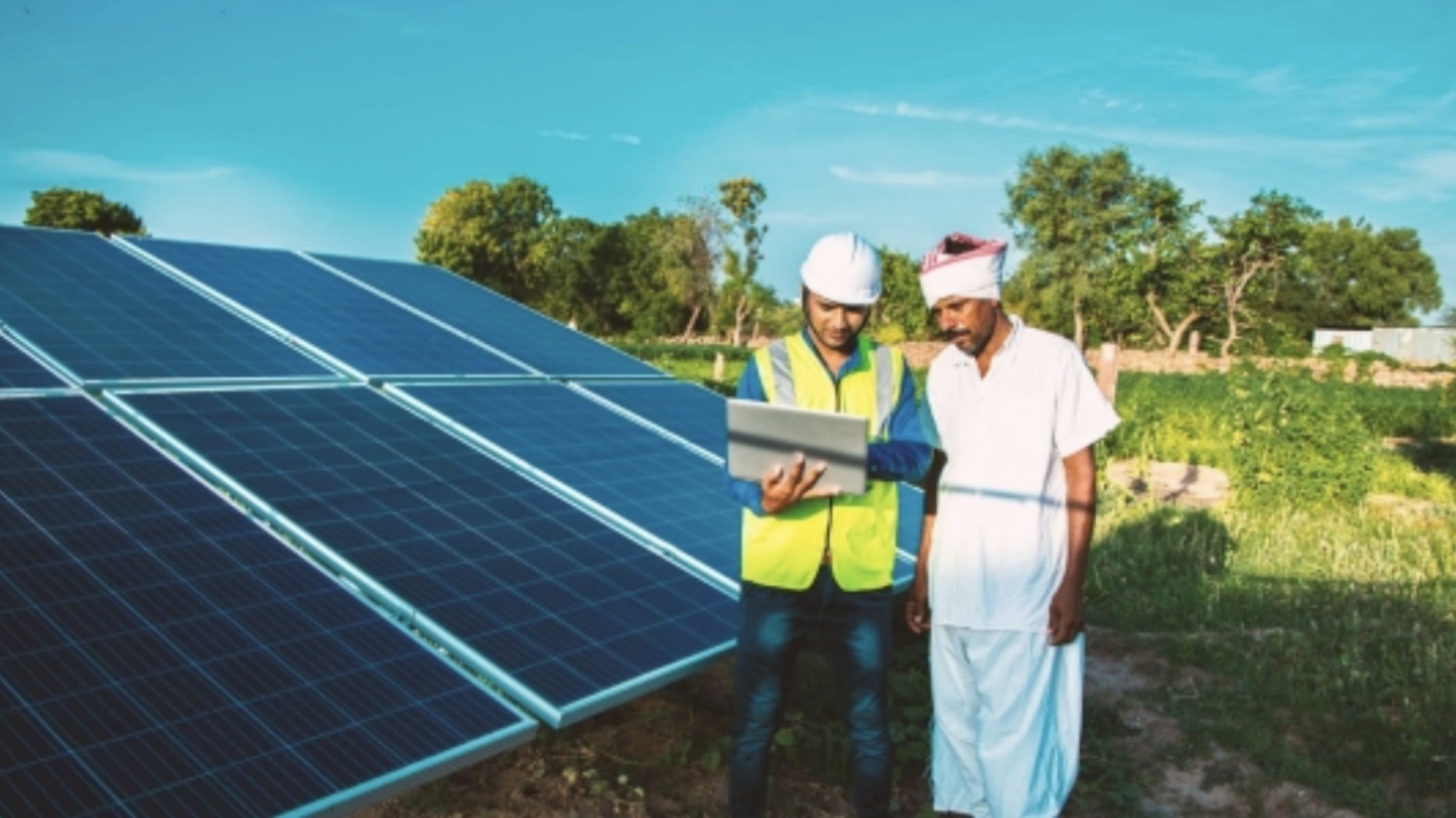
Focuses on the installation of standalone, off-grid solar-powered irrigation pumps for farmers in remote and non-electrified areas. These pumps eliminate the need for diesel generators, reduce operational costs, and provide reliable daytime irrigation.

Component C
Aims to solarise existing grid-connected agricultural pumps. Farmers can not only meet their irrigation needs with solar power but also sell excess electricity back to the grid, further increasing their earnings.

To make the scheme accessible and affordable, the government offers attractive financial support. Farmers are eligible to receive a 60% subsidy jointly provided by the central and state governments. An additional 30% of the cost can be financed through bank loans, while the farmer only has to contribute the remaining 10%. This cost-sharing model ensures that even small and marginal farmers can benefit from the scheme without a heavy financial burden. Since its launch, PM-KUSUM has made significant progress across various states, with thousands of solar pumps installed and multiple grid-connected solar projects commissioned. States like Rajasthan, Madhya Pradesh, and Uttar Pradesh

have shown encouraging results in implementation. The government has set an ambitious target of installing 32 GW of solar power capacity under the scheme by 2026, making it one of the largest agricultural solar initiatives in the world.

In conclusion, PM-KUSUM is a transformative step toward sustainable agriculture and rural development. It not only empowers farmers by lowering their input costs and increasing their income but also supports India’s broader goals of energy security, environmental protection, and climate action. With the right awareness, implementation support, and policy momentum, PM-KUSUM has the potential to revolutionise the way Indian agriculture is powered.

Installing a rooftop solar system is not just an eco-friendly move — it’s a smart financial decision. With electricity prices steadily rising, solar allows you to generate your power and reduce your bills by up to 90%, especially when using net metering.

Government support makes it even more affordable. Homeowners can claim a subsidy of up to 40% under the Rooftop Solar Programme, making solar energy more accessible and budget-friendly.

One of the biggest advantages? The payback period is just 3 to 5 years. Since solar panels last over 20 years, you’ll enjoy decades of free electricity after your initial investment. It also protects you from power cuts and increasing energy tariffs, giving you long-term peace of mind and energy independence.

Installing a rooftop solar system also adds value to your property. Today’s buyers look for energy-efficient homes, and solar makes your home stand out. On the environmental front, a typical 1kW system offsets around 1.5 tonnes of CO₂ each year — equivalent to planting over 50 trees annually.

Maintenance is easy. Solar panels are highly durable and require only occasional cleaning and routine checks. Whether you’re a homeowner or a business owner, solar works for all, helping you save money while contributing to a greener planet.

In short:
With strong government incentives, high energy savings, and long-term benefits, going solar is one of the wisest investments you can make.