For years, rooftop solar was seen as something only big businesses or wealthy homeowners could afford.

But in 2026, that perception is rapidly changing.

With falling costs, government subsidies, and easy financing options, solar energy is now within reach for middle-class families across India.

So the real question is —
Is solar finally affordable in 2026?
Let’s find out.

Then vs Now: The Cost Reality

A few years ago:

  • High upfront investment
  • Limited financing options
  • Longer payback periods

But today in 2026:

  • Solar system prices have dropped significantly
  • Subsidies reduce upfront costs
  • ROI is faster than ever

 A typical 3kW rooftop solar system (ideal for a middle-class home) is now:

  • Much more budget-friendly
  • Capable of recovering its cost in 3–5 years

Government Subsidies Making a Big Difference

With schemes like PM Surya Ghar Muft Bijli Yojana, affordability has improved drastically.

Key benefits:

  • Up to 40% subsidy on residential solar systems
  • Direct benefit transfer (DBT) to your bank account
  • Reduced installation burden

This means:
What once felt expensive is now a smart, supported investment.

Monthly Savings That Matter

Middle-class households are the most affected by rising electricity bills.

With solar:

  • You can save ₹25,000 – ₹50,000 per year
  • Reduce dependency on grid electricity
  • Enjoy peace of mind during tariff hikes

Instead of paying bills every month, you start generating your own power.

Easy EMI & Financing Options

One of the biggest changes in 2026 is access to financing.

Now you can:

  • Install solar with low or zero upfront cost
  • Pay through easy EMIs
  • Use savings on electricity bills to cover EMI

In many cases, your monthly savings = your EMI, making solar practically self-paying.

Perfect Fit for Middle-Class Homes

A standard Indian middle-class home typically:

  • Uses 300–600 units/month
  • Has enough rooftop space
  • Wants to reduce monthly expenses

A 2kW–5kW solar system is usually enough to:

  • Cover most of the electricity needs
  • Deliver long-term savings
  • Provide reliable performance for 25+ years

Long-Term Investment, Not an Expense

Think of solar as:

  • A one-time investment
  • With 25 years of returns
  • And increasing savings every year

Unlike other expenses, solar:

  • Pays you back
  • Increases property value
  • Reduces financial stress over time

Bonus: Clean & Responsible Living

Middle-class families today are not just budget-conscious — they are also environmentally aware.

Solar helps you:

  • Reduce carbon footprint
  • Contribute to a greener India
  • Build a sustainable future for your family

So, Is Solar Finally Affordable?

Yes — more than ever before.

In fact, the bigger question now is not “Can I afford solar?”
but rather “Can I afford NOT to go solar?”

Because every month you delay:

  • You pay higher electricity bills
  • You lose potential savings
  • You miss out on subsidies

Final Thought

2026 is the turning point where solar becomes a middle-class essential, not a luxury.

If you’ve been thinking about solar,
this is the right time to act.

📞 Contact Us

Start your solar journey today with expert guidance:

📞 Contact: +91 940-389-1609
🌐 Website: www.solarfusion.in
📧 Email: [email protected]
Director: Mr. Gavish Jaiswal

📲 Stay connected with us:
Facebook: facebook.com/solarfusionind
Instagram: instagram.com/solar_fusion75
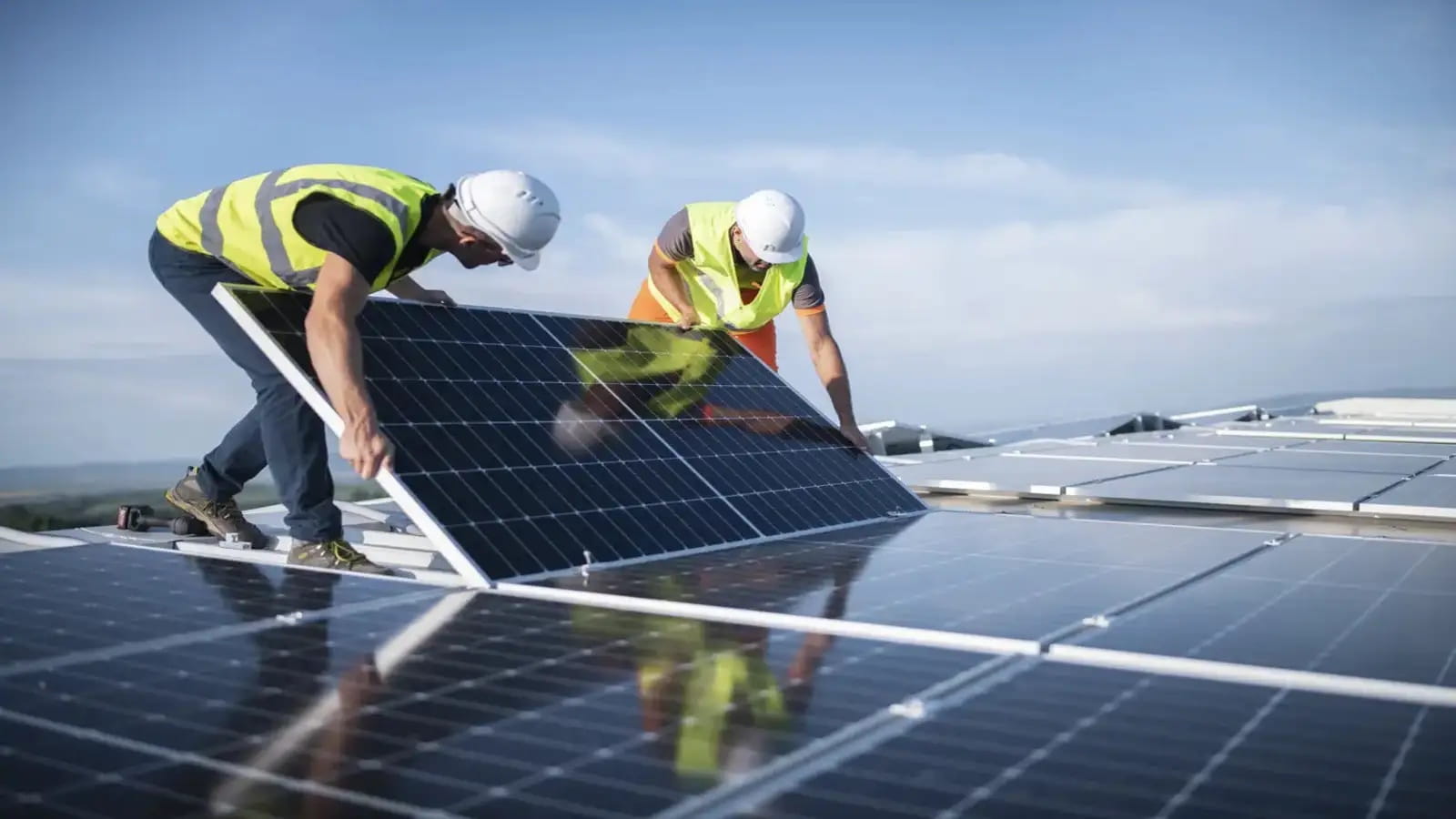
 

India is on the brink of a solar revolution — and rooftop solar is leading the charge.

With strong government support, rising electricity costs, and increasing awareness, rooftop solar installations are projected to more than double by 2026, transforming how homes and businesses consume energy.

But what’s driving this massive growth?

Let’s break it down.

A Rapid Growth Story

India’s solar sector is already growing at an unprecedented pace. The country has crossed 150 GW of installed solar capacity by 2026, making it one of the fastest-growing solar markets globally.

Within this, rooftop solar is emerging as the next big growth segment, especially in residential and commercial spaces.

Government estimates suggest:

  • Rooftop solar installations could reach 4 million homes by 2026
  • Adoption has already surged significantly in the last 2 years

Key Reasons Behind This Growth

1. Government Schemes Driving Adoption 🏡

One of the biggest catalysts is the PM Surya Ghar Muft Bijli Yojana.

  • Subsidies up to 40% on installation cost
  • Incentives like free electricity benefits
  • Simplified approval and digital processes

These initiatives are making solar affordable and accessible to millions of households.

2. Rising Electricity Costs ⚡

Electricity tariffs continue to increase every year.

For homeowners and businesses, rooftop solar offers:

  • Long-term savings
  • Protection from future price hikes
  • Reduced dependency on grid power

This financial advantage is pushing more people to switch.

3. Falling Cost of Solar Technology 💸

Solar panels and installation costs have dropped significantly over the years.

  • System prices have declined due to technological advancements and scale
  • Better efficiency = more output from smaller systems

This makes solar one of the most cost-effective energy solutions today.

4. Easy Financing & Loan Options 🏦

Banks and NBFCs are now offering:

  • Low-interest solar loans
  • EMI-based installations
  • Zero-collateral financing (T&Cs applicable)*

Improved financing models are removing one of the biggest barriers to adoption.

5. Environmental Awareness 🌱

Consumers are becoming more conscious about:

  • Climate change
  • Carbon emissions
  • Sustainable living

Switching to solar allows individuals to contribute to a greener future while saving money.

6. Strong Policy & Investment Push 📊

India’s renewable energy sector is attracting ₹6–7 lakh crore investments in the coming years.

Additionally:

  • Domestic manufacturing is increasing
  • Solar capacity additions are accelerating
  • Rooftop solar is a key focus area

All signs point toward exponential growth.

Residential + Commercial Demand Surge

Rooftop solar is no longer limited to homes.

Residential Growth:

  • Subsidy-driven adoption
  • Free electricity benefits
  • Rising urban demand

Commercial & Industrial Growth:

  • High electricity consumption
  • Faster ROI
  • Sustainability goals

Together, these segments are driving the doubling trend by 2026.

Why This Is the Right Time to Go Solar

If installations are doubling, early adopters benefit the most:

  • Lower installation costs (before demand spikes further)
  • Faster approvals and smoother processes
  • Maximum long-term savings

Delaying means:

  • Paying higher electricity bills
  • Missing out on subsidies
  • Losing years of savings

The Bigger Picture

India aims to reach 500 GW of non-fossil fuel capacity by 2030, and rooftop solar will play a crucial role in achieving this goal.

With millions of rooftops still untapped, the opportunity is massive.

Conclusion

The doubling of rooftop solar installations by 2026 isn’t just a prediction —
it’s a reflection of changing economics, strong policies, and growing awareness.

Solar is no longer the future.
It’s the present — and it’s accelerating fast.

📞 Contact Us

Start your solar journey today with expert guidance:

📞 Contact: +91 940-389-1609
🌐 Website: www.solarfusion.in
📧 Email: [email protected]
Director: Mr. Gavish Jaiswal

📲 Stay connected with us:
Facebook: facebook.com/solarfusionind
Instagram: instagram.com/solar_fusion75
 

Summer 2026: Why Installing Solar Now Is the Smartest Decision

As temperatures rise across India, so do electricity bills. With air conditioners running non-stop, fans on full speed, and longer daylight hours, summer becomes the most expensive season for electricity consumption.

But what if this summer could be different?

What if instead of worrying about high bills, you could generate your own power and save thousands?

Welcome to the smartest move of 2026 — going solar now.

Rising Temperatures = Rising Electricity Bills

Every summer, households and businesses face:

  • Increased AC usage
  • Higher peak-hour electricity tariffs
  • Frequent power cuts in many areas

This leads to monthly bills skyrocketing by 30%–50% or more.

Instead of paying more every year, investing in solar allows you to lock in your energy costs for the next 25+ years.

Why Summer Is the BEST Time to Go Solar

1. Maximum Power Generation

Summer months provide the highest solar output due to longer sunny days. This means:

  • Faster return on investment
  • Higher electricity savings from day one

2. Immediate Savings on Peak Usage

Your electricity usage is at its highest right now. Installing solar means:

  • You start saving instantly
  • Reduce dependency on expensive grid power

3. Government Subsidies & Schemes

With schemes like rooftop solar subsidies, homeowners can:

  • Reduce installation cost significantly
  • Get faster ROI with a payback period of less than 3 years

4. Beat Future Price Hikes

Electricity tariffs are only going up. By installing solar today, you:

  • Protect yourself from future hikes
  • Gain long-term financial stability

5. Increase Property Value

Homes with solar systems are:

  • More attractive to buyers
  • Seen as modern, energy-efficient investments

Environmental Impact Matters

Going solar isn’t just about savings — it’s about responsibility.

By switching to solar energy, you:

  • Reduce carbon footprint
  • Contribute to a cleaner environment
  • Support India’s renewable energy goals

Why You Shouldn’t Wait

Delaying your solar decision means:

  • Paying another season of high electricity bills
  • Missing out on current subsidies
  • Losing potential savings every single month

The sooner you install, the sooner you start earning from the sun.

Real Impact: What You Can Save

A typical 3kW solar system can:

  • Generate ~4000–4500 units annually
  • Save ₹30,000–₹40,000 every year
  • Pay for itself in just a few years

That’s not an expense — that’s an investment with guaranteed returns.

Make the Smart Move This Summer

Summer 2026 is not the time to spend more — it’s time to save smarter.

Switch to solar and take control of your electricity bills today.

📞 Contact Us

Start your solar journey today with expert guidance:

📞 Contact: +91 940-389-1609

🌐 Website:

www.solarfusion.in

📧 Email:

[email protected]

Director: Mr Gavish Jaiswal

📲 Stay connected with us:

Facebook: facebook.com/solarfusionind
Instagram: instagram.com/solar_fusion75
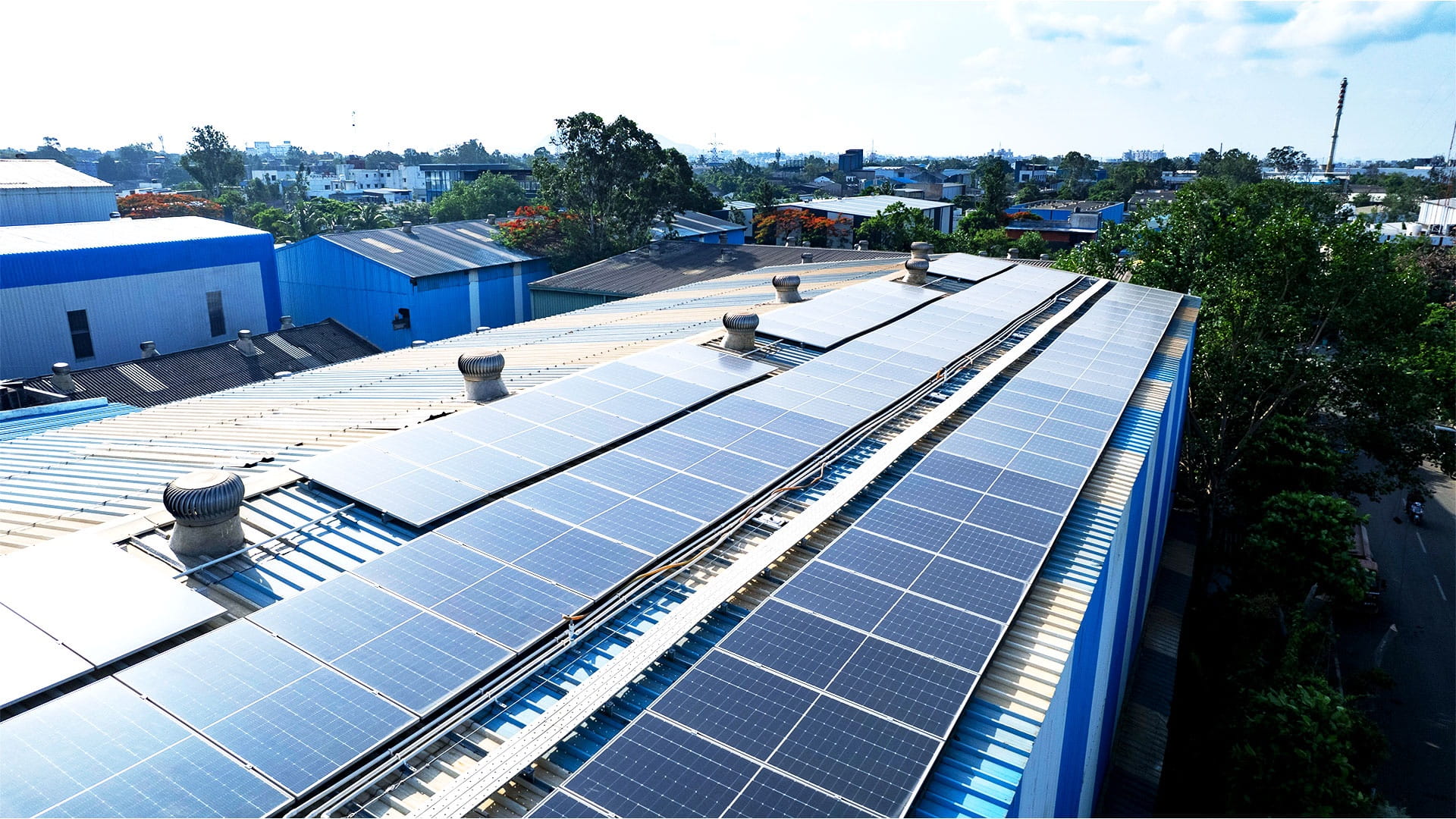
As the world shifts toward cleaner and more sustainable energy, solar power has emerged as one of the most reliable and cost-effective solutions for homeowners. At Educosmic Solutions Pvt. Ltd., we are committed to helping you make this transition seamlessly with expert guidance and end-to-end support.

One of the first and most important steps in your solar journey is a Free Solar Site Survey—and here’s exactly what you can expect.

🔍 What is a Free Solar Site Survey?

A solar site survey is a professional assessment of your property to determine the feasibility and efficiency of installing a solar rooftop system. Our trained experts visit your location to evaluate all the necessary factors to design a system tailored specifically for you.

Shadow analysis, ideal direction & place is where all the panels get exposure to 8-10 hours of daily sunlight.

⚙️ What Happens During the Survey?

Our expert team ensures a thorough inspection, covering:

  • Rooftop Analysis: Checking available space, direction, tilt, and shading conditions
  • Electricity Consumption Review: Understanding your monthly usage to suggest the right system size
  • Structural Assessment: Ensuring your roof can safely support solar panels
  • Technical Feasibility: Evaluating wiring, inverter placement, and installation logistics

This detailed analysis helps us recommend the most efficient and cost-effective solar solution for your home.

💡 Customized Solar Solutions

Every home is unique—and so is its energy requirement. Based on the survey, our experts guide you in choosing the right solar capacity that aligns with:

  • Your electricity consumption
  • Rooftop space availability
  • Budget and return on investment

Our goal is to maximize your savings while ensuring long-term performance.

💰 Government Subsidy Benefits

You can now install a solar rooftop system under the PM Surya Ghar Bijli Yojana and avail a government subsidy of up to ₹78,000.

Our team assists you throughout the subsidy process, making it simple and hassle-free.

🚀 Why Choose Educosmic Solutions Pvt. Ltd.?

  • Expert consultation and personalized guidance
  • High-quality solar components
  • Quick and efficient installation
  • Complete support from survey to subsidy approval
  • Commitment to sustainable energy solutions

🌱 Make the Smart Switch Today

Installing a solar rooftop system is not just an investment—it’s a step toward a cleaner, greener future. By going solar, you can:

  • Significantly reduce your electricity bills
  • Increase your property value
  • Reduce your carbon footprint
  • Contribute to a sustainable environment for future generations

📞 Get in Touch

Take the first step with a Free Solar Site Survey today!

📲 Stay connected with us:

Switch to solar with confidence—we’ll guide you every step of the way. 🌞


Installing a solar rooftop system is one of the smartest investments you can make for your home. It helps reduce electricity bills, provides clean energy, and protects you from rising power costs. However, one of the most important decisions before installing solar is choosing the right solar system capacity for your energy needs.

Selecting the correct capacity ensures you generate enough electricity without overspending on unnecessary panels. Here’s a simple guide to help you understand how to choose the right solar rooftop system for your home.

1. Check Your Monthly Electricity Consumption

The first step in choosing the right solar capacity is reviewing your electricity bills. Look at your average monthly electricity consumption in units (kWh).

For example:

  • 300–400 units/month → Around 3-4 kW system
  • 500–600 units/month → Around 5-6 kW system


Understanding your usage helps determine how much electricity your solar system should generate.

2. Understand How Much Power a Solar System Generates

On an average, 1 kW of solar rooftop system can generate around 4–5 units of electricity per day depending on sunlight availability and location.

That means:

  • 1 kw system → ~120–150 units/month
  • 3 kw system → ~360–450 units/month
  • 5 kw system → ~600–750 units/month

This estimate helps you match your electricity needs with the appropriate system size.

3. Evaluate Your Roof Space

The size of your rooftop also determines the capacity of the solar system you can install. Typically:

  • 1 kw system requires about 60-70 sq. ft. of shadow-free roof space.

Before deciding the system size, ensure your roof has enough space for solar panels with proper sunlight exposure.

4. Consider Future Electricity Needs

When planning your solar system, think about future electricity consumption. For example:

  • Installing an air conditioner
  • Purchasing an electric vehicle
  • Adding more electrical appliances

Installing slightly higher capacity can help accommodate future energy needs.

5. Choose the Right Type of Solar System

There are three main types of solar rooftop systems:

On-Grid System
Connected to the electricity grid. Excess electricity can be exported to the grid through net metering.

Off-Grid System
Works independently with batteries for energy storage.

Hybrid System
Combination of both grid connection and battery backup.

Choosing the right system type depends on your electricity needs and power reliability in your area.

6. Check Government Subsidy Benefits

The Government of India is encouraging residential solar adoption through the PM Surya Ghar Bijli Yojana. Under this scheme, homeowners can receive a government subsidy of up to ₹78,000 for installing a solar rooftop system.
https://pmsuryaghar.gov.in/#/

This subsidy makes solar installation more affordable and improves the return on investment.

7. Consult Solar Experts

A professional solar company can analyze your electricity usage, rooftop conditions, and budget to recommend the ideal system capacity for your home. Proper system design ensures maximum efficiency and long-term savings.

Switch to Solar with Expert Guidance

At Educosmic Solutions Pvt. Ltd., we are committed to promoting clean and renewable energy solutions for a brighter, sustainable future.

Take advantage of the opportunity to install a Solar Rooftop System at your residence under the PM Surya Ghar Bijli Yojana and avail a government subsidy of up to ₹78,000.

Our experts help you choose the right capacity solar system based on your electricity consumption, rooftop space, and budget.

Contact Us

📞 Contact: +91 940-389-1609
🌐 Website: www.solarfusion.in
📧 Email: [email protected]

👤 Director: Mr. Gavish Jaiswal

📲 Stay connected with us:
🔹 Facebook: facebook.com/solarfusionind
🔹 Instagram: instagram.com/solar_fusion75

Make the smart choice today—install a solar rooftop system, reduce your bills, increase your property value, and contribute to a greener, cleaner future for generations to come.


Summer months often bring a sharp increase in electricity consumption. With air conditioners, coolers, refrigerators, and fans running for longer hours, electricity bills can quickly rise. However, by adopting a few smart habits and energy-efficient solutions, you can significantly reduce your electricity expenses.

Here are 10 effective ways to save your electricity bill during summer.

1. Use Energy-Efficient Appliances

Appliances with higher energy efficiency ratings consume less electricity. When purchasing new appliances such as air conditioners, refrigerators, or washing machines, choose models with 5-star energy ratings to reduce power consumption.

2. Set Your Air Conditioner at the Right Temperature

Many people set their AC at extremely low temperatures, which increases electricity usage. The ideal temperature for comfort and energy efficiency is 24–26°C, which can help reduce electricity consumption while maintaining cooling.

3. Use Ceiling Fans with AC

Using ceiling fans along with your air conditioner helps circulate cool air throughout the room. This allows you to set the AC at a slightly higher temperature, reducing overall electricity consumption.

4. Turn Off Appliances When Not in Use

Many appliances continue to consume electricity even when they are not actively being used. Always turn off lights, fans, televisions, and other devices when leaving a room to avoid unnecessary power usage.

5. Switch to LED Lighting

LED bulbs consume up to 80% less electricity compared to traditional incandescent bulbs. Replacing your home lighting with LED lights can significantly reduce your electricity bills over time.

6. Keep Your Refrigerator Efficient

Refrigerators work harder during summer. To maintain efficiency:

  • Avoid opening the door frequently
  • Do not overload the fridge
  • Ensure proper ventilation around the refrigerator

These small practices can help reduce energy consumption.

7. Use Natural Ventilation

During early mornings and evenings, take advantage of natural ventilation by opening windows and doors. This reduces the need for cooling appliances and keeps your home comfortable naturally.

8. Maintain Your Cooling Appliances

Regular servicing of air conditioners and coolers ensures they run efficiently. Cleaning filters and checking for proper airflow can improve performance and reduce electricity usage.

9. Install Solar Water Heating Systems

Solar water heaters use sunlight instead of electricity to heat water. This can significantly reduce electricity consumption in households where electric geysers are used frequently.

10. Install a Solar Rooftop System

One of the most effective long-term solutions to reduce electricity bills is installing a solar rooftop system. Solar panels generate electricity from sunlight, allowing you to power your home while lowering your dependency on grid electricity.

With government support and subsidies available, switching to solar has become more affordable and beneficial for homeowners.

Reduce Bills and Embrace Clean Energy

At Educosmic Solutions Pvt. Ltd., we are committed to promoting clean and renewable energy solutions for a brighter, sustainable future.

Take advantage of the opportunity to install a Solar Rooftop System at your residence under the PM Surya Ghar Bijli Yojana and avail a government subsidy of up to ₹78,000.

Installing solar not only helps reduce your electricity bills but also increases your property value while contributing to a greener and cleaner environment.

Contact Us

📞 Phone: +91 940-389-1609
🌐 Website: www.solarfusion.in
📧 Email: [email protected]

👤 Director: Mr. Gavish Jaiswal

📲 Stay connected with us:
🔹 Facebook: facebook.com/solarfusionind
🔹 Instagram: instagram.com/solar_fusion75

Make the smart choice today—install a solar rooftop system, reduce your bills, increase your property value, and contribute to a greener, cleaner future for generations to come.


In recent times, households across India have been feeling the pressure of rising fuel costs—whether it’s LPG cylinders for cooking or petrol for daily commuting. What was once manageable is now becoming a significant monthly expense.

But amidst this uncertainty, one solution is becoming increasingly relevant: solar rooftop systems.

Let’s understand the current situation—and why going solar makes more sense than ever.

The Reality: Fuel Prices Are Rising & Unpredictable

Over the past year, LPG prices have steadily increased. A domestic cylinder now costs around ₹900+, with a ₹60 hike recorded recently. Commercial cylinders have seen even sharper increases, directly impacting small businesses and households alike.

At the same time, petrol and diesel prices are under pressure due to global factors. Rising crude oil prices and geopolitical tensions have already led to fuel price hikes in India.

In fact, recent global disruptions have even caused:

  • LPG shortages in some regions
  • Long queues at fuel stations
  • Increased dependence on imports

Even though the government is taking steps to stabilise supply, the reality remains—fuel prices are volatile and largely beyond our control.

How This Impacts Your Daily Life

For an average household, this means:

  • Higher monthly kitchen expenses (LPG)
  • Increased travel costs (petrol/diesel)
  • Rising overall cost of living

And the biggest challenge? No long-term price stability.

“Will prices increase again?”

The Smart Alternative: Solar Rooftop Systems

Now imagine a scenario where:

  • You generate your own electricity
  • You reduce dependence on external energy sources
  • Your monthly electricity bill becomes negligible

That’s exactly what a solar rooftop system offers.

Unlike LPG or petrol, solar energy is:

  • Free after installation
  • Unlimited and renewable
  • Not affected by global price fluctuations

From Rising Expenses to Long-Term Savings

With solar, you make a one-time investment and enjoy benefits for 25+ years.

Instead of depending entirely on expensive and unpredictable fuels, solar gives you energy independence.

You can:

  • Cook for free by using solar-powered appliances like induction cooktops
  • Run your vehicle by charging electric vehicles (EVs) using solar energy
  • Reduce dependence on LPG and petrol completely over time
  • Enjoy long-term, consistent savings without worrying about price hikes

Government Support Makes It Easier

Under schemes like PM Surya Ghar Bijli Yojana, homeowners can avail subsidies of up to ₹78,000—making solar more affordable than ever.

https://pmsuryaghar.gov.in/#/

This means your shift from monthly expenses → long-term investment becomes even more practical.

Why Solar is the Future

The current fuel situation has made one thing clear:

Dependence on traditional fuels = uncertainty
Switching to solar = control, savings, and sustainability

By installing a solar rooftop system, you:

  • Protect yourself from rising energy costs
  • Increase your property value
  • Contribute to a greener environment

Make the Switch Today

Fuel prices may continue to rise—but your expenses don’t have to.

Take control of your energy with solar and secure a future where you are not affected by market fluctuations.

📞 Contact Us

Start your solar journey today with expert guidance:

Director: Mr. Gavish Jaiswal

📲 Stay connected with us:
Facebook: facebook.com/solarfusionind
Instagram: instagram.com/solar_fusion75

Air conditioning has become a necessity in modern homes, especially during scorching summers. However, running an AC unit consumes a significant amount of electricity, often leading to high energy bills. With solar energy becoming increasingly accessible, many homeowners wonder: Can an air conditioner run on solar panels? The short answer is yes—but there are a few factors to consider.

How Solar Power Can Run Your AC

Solar panels generate electricity from sunlight, which is stored in a solar inverter and, optionally, in a battery storage system. This electricity can then power your home appliances, including your air conditioner. The feasibility depends on two main factors:

  1. The Power Rating of Your AC
    Air conditioners come in different capacities—measured in tons or kilowatts (kW). For example:

    • A 1-ton AC typically requires around 1.2 kW of electricity per hour.
    • A 1.5-ton AC may consume approximately 1.8 kW per hour.
      Your solar system needs to generate sufficient electricity to meet this demand.
  2. The Capacity of Your Solar Rooftop System
    A standard residential solar panel system (3-5 kW) can run multiple household appliances, but a heavy-duty AC may require a larger system or battery storage to ensure continuous operation, especially during peak heat hours or cloudy days.

Benefits of Running AC on Solar

  • Reduced Electricity Bills: Solar power offsets your AC’s energy consumption, lowering monthly electricity costs.
  • Environmentally Friendly: Using renewable energy reduces carbon emissions, making cooling sustainable.
  • Energy Independence: Solar panels can help you rely less on the grid, especially during peak hours when electricity rates are higher.

Considerations for Running AC on Solar

  1. Peak Sun Hours: Your solar panels generate the most electricity during daylight. If you want to run your AC at night, you’ll need battery storage to store excess energy produced during the day.
  2. System Sizing: For uninterrupted cooling, your solar system should be properly sized according to the AC load and your other household consumption. A solar expert can calculate the ideal capacity for your home.
  3. Inverter Type: Using a high-quality inverter is essential, as air conditioners require a stable AC supply and can be sensitive to voltage fluctuations.
  4. Energy-Efficient AC Units: Pairing your solar system with energy-efficient inverter ACs ensures maximum cooling with lower electricity consumption.

The Verdict

Yes, an air conditioner can run on solar panels, but it requires the right system size, inverter, and possibly battery storage to provide uninterrupted cooling. With proper planning, homeowners can enjoy eco-friendly, cost-effective air conditioning all year round.

At Educosmic Solutions Pvt. Ltd., we are committed to promoting clean and renewable energy solutions for a brighter, sustainable future.

Take advantage of the opportunity to install a Solar Rooftop System at your residence under the PM Surya Ghar Bijli Yojana and avail a government subsidy of up to ₹78,000.

📞 Contact: +91 940-389-1609
🌐 Website: www.solarfusion.in
📧 Email: [email protected]
👤 Director: Mr. Gavish Jaiswal

📲 Stay connected with us:
🔹 Facebook: facebook.com/solarfusionind
🔹 Instagram: instagram.com/solar_fusion75

Harness the power of the sun and enjoy a cool, energy-efficient home while reducing your electricity bills—solar-powered AC is not just a possibility, it’s a smart investment for a sustainable future.

Installing a solar rooftop system is a smart investment that helps reduce electricity bills and promotes clean energy. However, to ensure your solar panels continue to generate maximum power, regular cleaning and maintenance are essential. Many homeowners overlook this simple step, which can lead to reduced efficiency and lower savings.

So, how frequently should you clean your solar panels? And what is the best time of day to do it? Let’s find out.


Why Cleaning Solar Panels Is Important

Solar panels work by absorbing sunlight and converting it into electricity. When dust, dirt, bird droppings, leaves, and pollution settle on the surface, they block sunlight from reaching the solar cells. Even a thin layer of dust can reduce energy generation by 10–20%, while heavy dirt buildup can cause even greater losses.

Regular cleaning ensures:

  • Higher electricity generation
  • Better return on investment
  • Longer lifespan of panels
  • Consistent performance throughout the year

Simply put, clean panels produce more power and more savings.

How Frequently Should You Clean Your Solar Panels?

The cleaning frequency depends on environmental conditions, but for most residential rooftops, the following guidelines work well:

✅ Weekly Light Cleaning

Light cleaning once a week helps remove loose dust and prevents buildup, especially in dusty cities or areas near roads and construction sites. This can be done using plain water and a soft cloth or sponge.

Deep Cleaning Once a Month

A more thorough cleaning once a month is recommended to remove stubborn dirt, bird droppings, and grime.

✅ After Special Events

Clean your panels immediately after:

  • Dust storms
  • Heavy pollution days
  • Pollen season
  • Long dry spells without rain

Homes in areas with frequent rainfall may need less frequent deep cleaning, but weekly visual inspection is still advised.

Best Time to Clean Solar Panels

The timing of cleaning is just as important as frequency.

Early Morning – Before 8:30 AM
Evening – After 6:30 PM

During these hours, panels are cool, which prevents:

  • Rapid water evaporation
  • Water stains
  • Risk of thermal shock or cracks

Avoid cleaning panels in the afternoon when they are hot, as sudden temperature changes can damage the glass surface.

How to Clean Solar Panels Safely

  • Use soft cloth, sponge, or microfiber mop
  • Use clean water or mild soap if needed
  • Avoid harsh chemicals or abrasive brushes
  • Gently wipe without applying heavy pressure
  • Rinse thoroughly to remove soap residue

For rooftop systems that are difficult to access, hiring professional solar cleaning services is safer and more effective.

DIY Cleaning vs Professional Cleaning

Homeowners can easily perform weekly light cleaning. However, it is recommended to opt for professional cleaning at least once a year. Professionals also inspect:

  • Panel condition
  • Mounting structure
  • Wiring connections

This ensures your system remains safe and efficient.

Long-Term Benefits of Regular Cleaning

  • Increased solar energy generation
  • Lower electricity bills
  • Improved system efficiency
  • Extended panel lifespan
  • Better utilization of government subsidy benefits

Regular cleaning is a small effort that delivers big financial and performance rewards.

At Educosmic Solutions Pvt. Ltd., we are committed to promoting clean and renewable energy solutions for a brighter future.

Take advantage of the opportunity to install a Solar Rooftop System at your residence under the PM Surya Ghar Bijli Yojana and avail a government subsidy of up to ₹78,000.

📞 Contact: +91 940-389-1609
🌐 Website: www.solarfusion.in
📧 Email: [email protected]
👤 Director: Mr. Gavish Jaiswal

📲 Stay connected with us:
🔹 Facebook: facebook.com/solarfusionind
🔹 Instagram: instagram.com/solar_fusion75

Keep your solar panels clean, produce more power, save more money, and enjoy the true benefits of solar energy.

Solar energy is transforming the way households generate and consume electricity. While traditional solar systems use a central inverter to convert electricity from your solar panels, microinverters are emerging as a smarter, more efficient alternative. But what exactly are microinverters, and why are they becoming increasingly popular for residential solar rooftops?

Understanding Microinverters
A microinverter is a compact device installed on each solar panel. Its main function is to convert the DC (direct current) electricity generated by that panel into AC (alternating current) electricity that can be used in your home. Unlike conventional systems where one central inverter manages the power from all panels collectively, microinverters work independently on each panel.

This independence means that the performance of one panel does not affect the output of the others, which is especially beneficial in situations where parts of your rooftop may receive partial shading due to trees, chimneys, or neighboring buildings.

Benefits of Microinverters

  1. Maximized Energy Production: Each panel operates independently, so shading or technical issues in one panel do not drag down the performance of the entire system. This can increase the overall energy production compared to a traditional central inverter system.
  2. Individual Panel Monitoring: Microinverters allow homeowners to track the performance of each solar panel individually. This makes it easier to identify underperforming panels and maintain your system efficiently.
  3. Easy System Expansion: Planning to add more panels in the future? Microinverters make expansion straightforward, without worrying about overloading a central inverter.
  4. Enhanced Safety: Since DC-to-AC conversion happens right on the panel, microinverters reduce high-voltage DC running across your roof, lowering the risk of electrical hazards.
  5. Durability and Reliability: Microinverters typically come with long warranties and robust designs, ensuring consistent performance even in varying weather conditions.

Who Should Consider Microinverters?
Microinverters are ideal for:

  • Roofs with partial shading or complex layouts
  • Smaller rooftop installations where every unit of energy counts
  • Homeowners looking for long-term monitoring and performance tracking
  • Systems where future expansion is anticipated

By converting energy efficiently and independently, microinverters help homeowners get the most out of their solar rooftop investments.

At Educosmic Solutions Pvt. Ltd., we are committed to promoting clean and renewable energy solutions for a brighter and sustainable future.

Take advantage of the opportunity to install a Solar Rooftop System at your residence under the PM Surya Ghar Bijli Yojana and avail a government subsidy of up to ₹78,000.

📞 Contact: +91 940-389-1609
🌐 Website: www.solarfusion.in
📧 Email: [email protected]
👤 Director: Mr. Gavish Jaiswal
📲 Stay connected with us:
🔹 Facebook: facebook.com/solarfusionind
🔹 Instagram: instagram.com/solar_fusion75

Harness the power of the sun, maximise your energy savings, and contribute to a cleaner, greener future with microinverters today!