Switching to solar energy is one of the smartest decisions homeowners and businesses can make today. But have you ever wondered how you get credit for the extra electricity your solar panels generate? That’s where net metering comes in — a system designed to make solar energy even more rewarding.

What Is Net Metering?

Net metering is a billing system that allows solar energy users to send the extra electricity they produce back to the grid. When your solar panels generate more power than you use (like on a sunny afternoon), that surplus electricity is fed into the utility grid. In return, you earn credits on your electricity bill.

Later, when your solar system produces less power (such as at night or during cloudy weather), you can use those earned credits to offset the electricity you consume from the grid.

In simple terms, your electric meter runs backwards when you produce more than you consume, reducing your overall energy cost.

How It Works Step by Step

  • Solar panels generate electricity from sunlight during the day.
  • Your home uses what it needs — any excess power is sent to the utility grid.
  • Your meter tracks both directions — electricity consumed and electricity sent back.
  • You earn credits for the surplus energy you supply to the grid.
  • During low-sunlight hours, you draw power from the grid using those credits.

This way, your electricity bill reflects only your net energy usage — that’s why it’s called net metering.

Top Benefits of Net Metering

🌞 1. Lower Electricity Bills
By offsetting your energy consumption with the credits you earn, you can drastically cut down your monthly electricity costs — sometimes even eliminate them.

🌍 2. Promotes Renewable Energy Use
Net metering encourages more people to adopt solar energy, helping reduce dependence on fossil fuels and lowering carbon emissions.

⚡ 3. Efficient Energy Use
Instead of wasting excess solar energy, net metering ensures it’s utilised efficiently by sharing it with others on the grid.

💰 4. Faster Return on Investment
With savings on bills and potential government incentives, your solar installation pays for itself much sooner.

🏠 5. Energy Independence
You become less reliant on the utility company and are better protected from rising electricity rates.

Net metering is not just a billing mechanism — it’s a gateway to smarter, cleaner, and more affordable energy. It allows you to make the most out of your solar power system while contributing to a greener planet.

So, if you’re considering switching to solar, make sure to choose a system that supports net metering — your wallet and the environment will thank you!

🌞 Ready to switch to solar?

Connect With Us

At Educosmic Solutions Pvt. Ltd., we are committed to promoting clean and renewable energy solutions for a brighter future.

📞 Contact: +91 940-389-1609‬
🌐 Website: www.solarfusion.in
📧 Email: [email protected]
👤 Director: Mr. Gavish Jaiswal

Note: Install a Solar Rooftop System at your residence under the PM Surya Ghar Bijli Yojana and avail a government subsidy of up to ₹78,000.

📲 Stay connected with us:

Facebook: https://www.facebook.com/solarfusionind
Instagram: https://www.instagram.com/solar_fusion75/?hl=en

Solar rooftops are becoming increasingly popular in both residential and commercial spaces. While the core technology—converting sunlight into electricity—remains the same, the way solar is used in homes versus offices can be quite different.
If you’re considering solar, here’s a breakdown of the key differences between solar rooftops for homes and for offices.

1. Energy Consumption Patterns

  • Homes: Residential usage is typically higher in the morning and evening when family members are at home.
  • Offices: Offices consume most of their power during the day, exactly when solar panels generate the most electricity.

👉 This makes solar especially cost-effective for offices, since daytime demand and solar generation align perfectly.

2. System Size and Capacity

  • Homes: Most households need 2 kW to 10 kW systems, depending on the number of appliances and electricity bills.
  • Offices: Offices usually require larger systems (10 kW to 100+ kW) to handle lighting, air conditioning, and equipment.

👉 The scale of installation directly impacts cost, savings, and payback period.

3. Roof Space Availability

  • Homes: Limited rooftop area, especially in urban settings, can restrict the size of the system.
  • Offices: Commercial buildings often have bigger rooftops, making it easier to install higher-capacity systems.

4. Net Metering Benefits

  • Homes: Net metering helps offset bills, but savings depend on household usage patterns.
  • Offices: Since offices consume most of their generated solar power directly during the day, they rely less on exporting to the grid, maximizing immediate savings.

5. Financial Perspective

  • Homes: Focus is on reducing monthly electricity bills and securing long-term savings. Payback period is usually 4–6 years.
  • Offices: Businesses look at solar as an investment in operational cost reduction and sustainability goals. With higher usage, the payback can be even faster—3–5 years.

6. Environmental Impact

  • Homes: A residential solar system can reduce a household’s carbon footprint significantly over its lifetime.
  • Offices: Large-scale office systems can cut down tons of CO₂ emissions annually, making a big difference toward corporate social responsibility (CSR) and sustainability targets.

Conclusion:
While both homes and offices benefit greatly from solar rooftops, the key differences lie in scale, consumption patterns, and savings potential.
For homes, solar is about lowering bills and achieving energy independence.

For offices, it’s about reducing operational costs and showcasing a strong commitment to sustainability.

Either way, solar rooftops are a smart, future-ready investment—whether in your home or your workplace.

Connect With Us
At Educosmic Solutions Pvt. Ltd., we are committed to promoting clean and renewable energy solutions for a brighter future.
📞 Contact: +91 940-389-1609‬
🌐 Website: www.solarfusion.in
📧 Email: [email protected]
👤 Director: Mr. Gavish Jaiswal

Note: Install a Solar Rooftop System at your residence under the PM Surya Ghar Bijli Yojana and avail a government subsidy of up to ₹78,000.
📲 Stay connected with us:

  • Facebook: https://www.facebook.com/solarfusionind
  • Instagram: https://www.instagram.com/solar_fusion75/?hl=en

When you invest in a solar rooftop system, one of the first questions that comes to mind is:
“How long will my solar panels actually last?”
The good news is that solar rooftop panels are built to be durable, reliable, and long-lasting. Let’s understand their typical lifespan and what affects their performance over time.

Average Lifespan of Solar Panels
Most high-quality solar rooftop panels last for 25 to 30 years. That doesn’t mean they stop working after that period—it just means their efficiency may reduce gradually. Even after 25 years, panels can still generate electricity, often at 70–80% of their original capacity.

What Affects Solar Panel Lifespan?

  • Panel Quality
    Panels from reputed manufacturers come with better materials and warranties, ensuring long-term durability.
  • Installation Quality
    A professionally installed system ensures proper wiring, mounting, and orientation, which directly impacts longevity.
  • Maintenance
    Solar panels need very little maintenance—mainly cleaning dust and bird droppings. Regular upkeep helps maintain efficiency.
  • Climate Conditions
    Extreme heat, storms, or heavy dust can affect performance. However, most panels are designed to withstand harsh weather.

Warranties and Performance Guarantees
Manufacturers typically offer:

  • Product Warranty: Covers defects for 10–12 years.
  • Performance Warranty: Guarantees 80–85% efficiency even after 25 years.

This gives you peace of mind that your investment is protected for the long term.

Do Other Components Last as Long?

  • Inverter: Usually lasts 8–12 years and may need replacement once during the system’s lifetime.
  • Battery (if installed): Lasts 5–10 years, depending on type and usage.

The panels themselves, however, remain the most durable part of the system.

Conclusion
Solar rooftop panels are a long-term investment that can reliably generate clean electricity for 25+ years. With minimal maintenance and proper installation, you can enjoy decades of savings on your electricity bills while contributing to a sustainable future.
So, when you choose solar, you’re not just investing for today—you’re securing energy independence for the next generation too.

Connect With Us
At Educosmic Solutions Pvt. Ltd., we are committed to promoting clean and renewable energy solutions for a brighter future.
📞 Contact: +91 940-389-1609‬
🌐 Website: www.solarfusion.in
📧 Email: [email protected]
👤 Director: Mr Gavish Jaiswal

Note: Install a Solar Rooftop System at your residence under the PM Surya Ghar Bijli Yojana and avail a government subsidy of up to ₹78,000.
📲 Stay connected with us:

  • Facebook: https://www.facebook.com/solarfusionind
  • Instagram: https://www.instagram.com/solar_fusion75/?hl=en

Switching to a solar rooftop is one of the smartest investments you can make today—both for your wallet and for the planet. But one of the most common questions people ask is:
“How long will it take to recover my investment in a solar rooftop system?”
The answer depends on a few key factors. Let’s break it down.

1. Upfront Cost of Installation
The initial investment in a solar rooftop system depends on its size, brand, and whether you opt for a battery backup. On average, residential systems in India cost between ₹40,000 to ₹60,000 per kW (before subsidy).
For example:

  • A 3 kW system may cost around ₹1.2–1.5 lakh.
  • A 5 kW system may cost around ₹2–2.5 lakh.

Government subsidies can reduce this cost significantly, making the payback faster.

2. Your Monthly Electricity Bill
The higher your electricity consumption, the faster you recover the cost.

  • If your bill is around ₹3,000–₹5,000 per month, a 3–5 kW system can cut your bill by 70–90%.
  • This means annual savings of ₹40,000–₹60,000, which directly shortens your payback period.

3. Average Payback Period
For most households, the cost of a solar rooftop system is recovered within 4 to 6 years.
After this period, the electricity you generate is practically free (except for minimal maintenance), and your savings continue for the remaining lifespan of the system—typically 20+ years.

4. Factors That Can Speed Up Payback

  • Government Subsidies: Current subsidies can cover 20–40% of the system cost.
  • High Grid Tariffs: If your electricity rate is high, your savings are higher, and payback is quicker.
  • Net Metering Benefits: Selling excess power back to the grid further reduces your effective payback time.

5. Real-Life Example
Let’s say you install a 5 kW solar rooftop system costing ₹2.2 lakh (after subsidy).

  • Monthly electricity bill: ₹5,000
  • Annual savings: ₹60,000
  • Payback time: Around 3.5–4 years

For the next 20 years, you enjoy almost free electricity and save ₹10–12 lakh in total.

Conclusion
Recovering the cost of a solar rooftop system doesn’t take long—just 4–6 years for most households. After that, your system pays you back many times over in the form of reduced bills and long-term savings.
So, the sooner you invest, the sooner you start reaping the rewards of clean and free solar energy.

Connect With Us
At Educosmic Solutions Pvt. Ltd., we are committed to promoting clean and renewable energy solutions for a brighter future.
📞 Contact: +91 940-389-1609‬
🌐 Website: www.solarfusion.in
📧 Email: [email protected]
👤 Director: Mr Gavish Jaiswal

Note: Install a Solar Rooftop System at your residence under the PM Surya Ghar Bijli Yojana and avail a government subsidy of up to ₹78,000.
📲 Stay connected with us:
Facebook: https://www.facebook.com/solarfusionind

Instagram: https://www.instagram.com/solar_fusion75/?hl=en

Rising electricity bills, increasing awareness about clean energy, and government incentives are making solar rooftop systems more popular than ever. But how do you know if it’s the right time for you to make the switch? Here are five clear signs that tell you solar is not just a good idea, but the smart next step.

1. Your Electricity Bills Are Constantly Rising
If you’ve noticed your power bills going up month after month, a solar rooftop system can help you take control. Once installed, solar panels generate free electricity for 25+ years, protecting you from unpredictable tariff hikes and giving long-term savings.

2. You Have Access to Unused Rooftop Space
A flat, open rooftop that gets plenty of sunlight is a wasted opportunity if it isn’t powering your home. By installing solar panels, you can turn that unused space into a productive energy source—reducing your bills while adding value to your property.

3. You’re Looking for a Secure Investment
Unlike traditional investments that fluctuate, a solar rooftop offers guaranteed returns through savings on electricity bills. Most systems pay for themselves within 2-3 years, and the rest of the lifespan is pure savings. That’s a reliable financial decision.

4. You Want Energy Independence
Frequent power cuts or reliance on the grid can be frustrating. A solar rooftop system, especially when paired with a battery backup, gives you the freedom to generate and use your own electricity—reducing your dependence on external providers.

5. You Care About a Sustainable Future
Switching to solar is not just about money—it’s about making a difference. Every kilowatt of solar energy reduces carbon emissions and helps build a cleaner, greener future. If sustainability is a priority for you, solar is the way forward.

Final Thoughts
If one or more of these signs resonate with you, now is the right time to consider switching to a solar rooftop system. With modern technology, government subsidies, and faster installation processes, adopting solar has never been easier.
Start today, and let your roof pay you back while you enjoy energy savings for decades.

Connect With Us
At Educosmic Solutions Pvt. Ltd., we are committed to promoting clean and renewable energy solutions for a brighter future.
📞 Contact: +91 940-389-1609‬
🌐 Website: www.solarfusion.in
📧 Email: [email protected]
👤 Director: Mr. Gavish Jaiswal

Note: Install a Solar Rooftop System at your residence under the PM Surya Ghar Bijli Yojana and avail a government subsidy of up to ₹78,000.
📲 Stay connected with us:
Facebook: https://www.facebook.com/solarfusionind

Instagram: https://www.instagram.com/solar_fusion75/?hl=en

Installing a rooftop solar system is one of the best decisions for reducing electricity bills and embracing clean energy. But before you go solar, you’ll need to choose between two major types of systems: grid-tied and off-grid. Both have unique benefits, and the right choice depends on your lifestyle, location, and energy needs.

Grid-Tied Solar:

Connected to the electricity grid. Extra power goes back to the grid (net metering), and you can draw electricity when solar isn’t enough.
✅ Lower cost (no batteries)
✅ Net metering benefits
✅ Avail government subsidies.
⚠️ Doesn’t work during power cuts
Best for: Homes in cities with reliable electricity.
Off-Grid Solar
Works independently with batteries to store energy for night or cloudy days.
✅ Energy independence
✅ Works during power-cuts
✅ Ideal for farmhouses, off-grid areas, and locations with frequent power cuts.
⚠️ Higher cost (batteries needed)
⚠️ More maintenance
Best for: Remote or outage-prone areas.

Final Thoughts

City homes? Go on-grid.

Remote areas? Choose off-grid.

Want the best of both? A hybrid system combines solar + grid + batteries.

Not sure which fits your needs? Book a free solar consultation today!

Connect With Us
At Educosmic Solutions Pvt. Ltd., we are committed to promoting clean and renewable energy solutions for a brighter future.
📞 Contact: +91 940-389-1609‬
🌐 Website: www.solarfusion.in
📧 Email: [email protected]
👤 Director: Mr. Gavish Jaiswal

Note: Install a Solar Rooftop System at your residence under the PM Surya Ghar Bijli Yojana and avail a government subsidy of up to ₹78,000.

📲 Stay connected with us:
Facebook: https://www.facebook.com/solarfusionind
Instagram: https://www.instagram.com/solar_fusion75

GST on Solar Rooftop Systems: What Homeowners and Businesses Should Know
Good news for anyone planning to go solar! The GST on solar rooftop systems has been reduced from 12% to just 5%, making clean energy more affordable than ever. Whether you’re a homeowner looking to cut electricity bills or a business aiming to go green, understanding how GST applies can help you plan your investment better and save money.

1. GST Rates on Solar Rooftop Systems
The GST on solar rooftop systems in India depends on the components used in the installation:

  • Solar Panels: Attract 5% GST
  • Solar Inverters: Attract 5% GST
  • Off-grid systems, including solar panels, batteries, and PCUs (if applicable), attract 5% GST. This includes Li-ion batteries used in solar systems.
  • Other Accessories: Like mounting structures, cables, and balance-of-system components usually fall under 18% GST

Key Insight: The government has reduced GST on solar power equipment to encourage renewable energy adoption, making solar more affordable.

2. GST Benefits for Businesses
If your business is registered under GST, you may be able to claim input tax credit (ITC) for the GST paid on solar equipment. This means the tax you pay on purchasing solar systems can offset the GST liability on your business output.

Note: Residential consumers not registered under GST cannot claim ITC.

3. How GST Affects Your Solar Rooftop Budget
While solar installation costs have reduced over the years, GST still contributes to the total investment. For example, if your rooftop solar system costs ₹3,00,000, a 5% GST will add ₹15,000 to your upfront cost.

Understanding this helps you plan your finances better and ensures there are no surprises at the time of installation.

4. Recent Updates and Government Incentives

The Indian government has been promoting rooftop solar adoption through initiatives like:

  • Net Metering: Surplus electricity can be fed back to the grid.
  • Subsidies for residential and commercial systems: Often covering 20–40% of the cost for certain categories.
  • Reduced GST rates: As mentioned above, solar equipment GST was slashed to 5% to make renewable energy affordable.

These policies, combined with GST benefits, make rooftop solar a financially attractive and sustainable choice.

5. Key Takeaways

  • Most solar rooftop components attract 5% GST.
  • Businesses may claim input tax credit, reducing the effective cost.
  • Planning your budget with GST in mind avoids surprises.
  • Government incentives further reduce the overall investment.

Investing in a solar rooftop system is not just an eco-friendly choice—it’s a financially smart decision, especially with favourable GST rates and government incentives. Whether for your home or business, understanding GST can help you maximise your savings and enjoy the long-term benefits of clean energy.

Connect With Us
At Educosmic Solutions Pvt. Ltd., we are committed to promoting clean and renewable energy solutions for a brighter future.

📞 Contact: +91 940-389-1609‬
🌐 Website: www.solarfusion.in
📧 Email: [email protected]
👤 Director: Mr Gavish Jaiswal

Note: Install a Solar Rooftop System at your residence under the PM Surya Ghar Bijli Yojana and avail a government subsidy of up to ₹78,000.
📲 Stay connected with us:

Facebook: https://www.facebook.com/solarfusionind

Instagram: https://www.instagram.com/solar_fusion75/?hl=en

Electric Vehicles (EVs) are rapidly becoming the future of transportation. They promise reduced emissions, lower fuel costs, and a cleaner environment. But here’s the big question: Can your EV run on solar power generated right from your rooftop? The answer is yes—and it’s changing the way we think about mobility.

How Rooftop Solar Powers an EV:
When you install a solar rooftop system, it generates electricity from sunlight. This power can be used to run household appliances—and also charge your EV through a home charging station. With the right system size, your car can literally run on sunshine at zero cost.

Benefits of Charging EVs with Rooftop Solar

1. Cost Savings
Charging an EV from the grid can increase your electricity bill. With rooftop solar, you produce free electricity and save money in the long run.
2. True Green Mobility
Driving an EV already reduces pollution, but charging it from fossil-fuel-based grid electricity still leaves a carbon footprint. Solar charging ensures 100% clean, renewable energy.
3. Energy Independence
Pairing EVs with rooftop solar makes you less dependent on fluctuating fuel prices or unreliable grids. You generate and use your own clean power.
4. Future-Ready Investment
With government subsidies for solar and growing EV adoption, this combination is not just eco-friendly—it’s economically smart.

How Much Solar Do You Need for an EV?
On average, an EV consumes around 3–4 units of electricity per 10k.* A daily commute of 40 km may need 12–15 units. A 3–5 kW solar rooftop system is often enough to power both your home and your EV, depending on your usage.
(T&C apply).*

Final Thoughts
The future of green mobility lies in combining EVs with rooftop solar systems. Together, they create a sustainable ecosystem where your vehicle runs on clean energy, your bills are reduced, and the planet benefits.

Note: Install a Solar Rooftop System at your residence under the PM Surya Ghar Bijli Yojana and avail a government subsidy of up to ₹78,000.

Connect With Us
At Educosmic Solutions Pvt. Ltd., we are committed to promoting clean and renewable energy solutions for a brighter future.
📞 Contact: +91 940-389-1609‬
🌐 Website: www.solarfusion.in
📧 Email: [email protected]
👤 Director: Mr. Gavish Jaiswal

📲 Stay connected with us:
Facebook: https://www.facebook.com/solarfusionind
Instagram: https://www.instagram.com/solar_fusion75/?hl=en

Switching to solar power is exciting—but have you ever wondered what actually goes into installing a rooftop solar system? It’s not just about placing panels on your roof. A lot of planning, engineering, and precision work happens behind the scenes. Let’s walk you through the process, step by step.

1. Site Survey & Roof Assessment
The journey begins with a detailed survey. Experts check your roof’s direction, angle, strength, and shading to ensure it’s solar-ready. This step helps in designing a system that performs efficiently for years.

2. Energy Requirement Analysis
Next, your electricity bills are studied to calculate average consumption. Based on this, the right system size (in kW) is recommended—so you neither overspend nor fall short on power.

3. System Design & Approvals
Engineers design a customised solar layout for your rooftop. Simultaneously, applications for government approvals and subsidies are submitted to make the process smooth and cost-effective.

4. Mounting Structure Installation
Strong mounting structures are fixed on the roof to hold the panels. They are placed at the right tilt and angle to capture maximum sunlight throughout the day.

5. Solar Panel & Inverter Installation
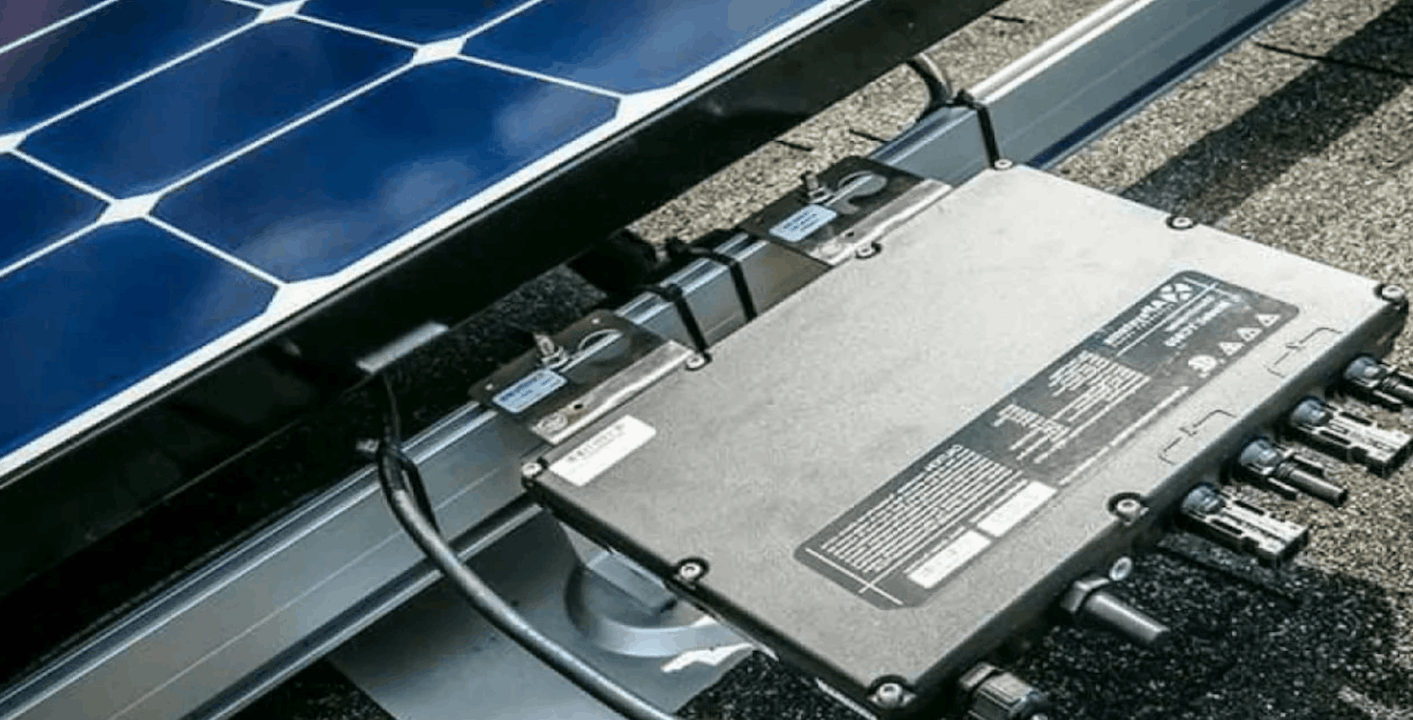
Solar panels are carefully mounted and connected with high-quality wiring. The inverter—the brain of the system—is installed to convert DC power from the panels into usable AC electricity.

6. Grid Connection & Net Metering
Your system is connected to the local electricity grid. With net metering, any extra energy you generate is sent back to the grid, and you earn credits that reduce your bill.

7. Testing & Commissioning
Before switching on, the system undergoes safety checks and performance testing. Once cleared, it’s commissioned—and your journey with clean, renewable energy begins!

Final Thoughts
Installing a rooftop solar system is a carefully planned process involving technical expertise at every step. From site survey to final commissioning, each stage ensures safety, efficiency, and long-term savings.

Want to see this process in action for your home or business? Book a free site survey with our solar experts today!

Connect With Us
At Educosmic Solutions Pvt. Ltd., we are committed to promoting clean and renewable energy solutions for a brighter future.
📞 Contact: +91 940-389-1609‬
🌐 Website: www.solarfusion.in
📧 Email: [email protected]
👤 Director: Mr. Gavish Jaiswal

Note: Install a Solar Rooftop System at your residence under the PM Surya Ghar Bijli Yojana and avail a government subsidy of up to ₹78,000.

📲 Stay connected with us:
Facebook: https://www.facebook.com/solarfusionind
Instagram: https://www.instagram.com/solar_fusion75/

Electricity is something we use every day — for lights, fans, appliances, and more. But have you ever thought about where that electricity comes from? Most of us still rely on traditional energy sources, but now more people are switching to solar rooftop systems. Let’s understand the difference and which one is better for you.

What is a Solar Rooftop System?
A Solar Rooftop System means installing solar panels on your roof. These panels capture sunlight and turn it into electricity, which you can use in your home or office.

What is Traditional Energy?
Traditional energy comes from sources like coal, oil, gas, or hydroelectric dams. This power is made at big plants and sent to your home through wires.

Main Differences Between Solar Rooftop and Traditional Energy:

1. Cost
Solar: One-time setup cost, but saves money every month on your electricity bill. You can also get government subsidies.

Traditional: No setup cost, but monthly bills keep increasing.

2. Environment
Solar: Clean and eco-friendly. No pollution.

Traditional: Causes pollution and harms the environment.

3. Energy Control
Solar: You can make your own electricity and even sell extra power back to the grid.

Traditional: You depend on the power company and may face power cuts.

4. Maintenance
Solar: Very low maintenance. Works for 20–25 years.

Traditional: You don’t maintain it, but it’s based on old systems that can fail.

5. Government Support
Solar: Big support with subsidies up to ₹78,000, net metering, and more.

Traditional: No major support or savings.