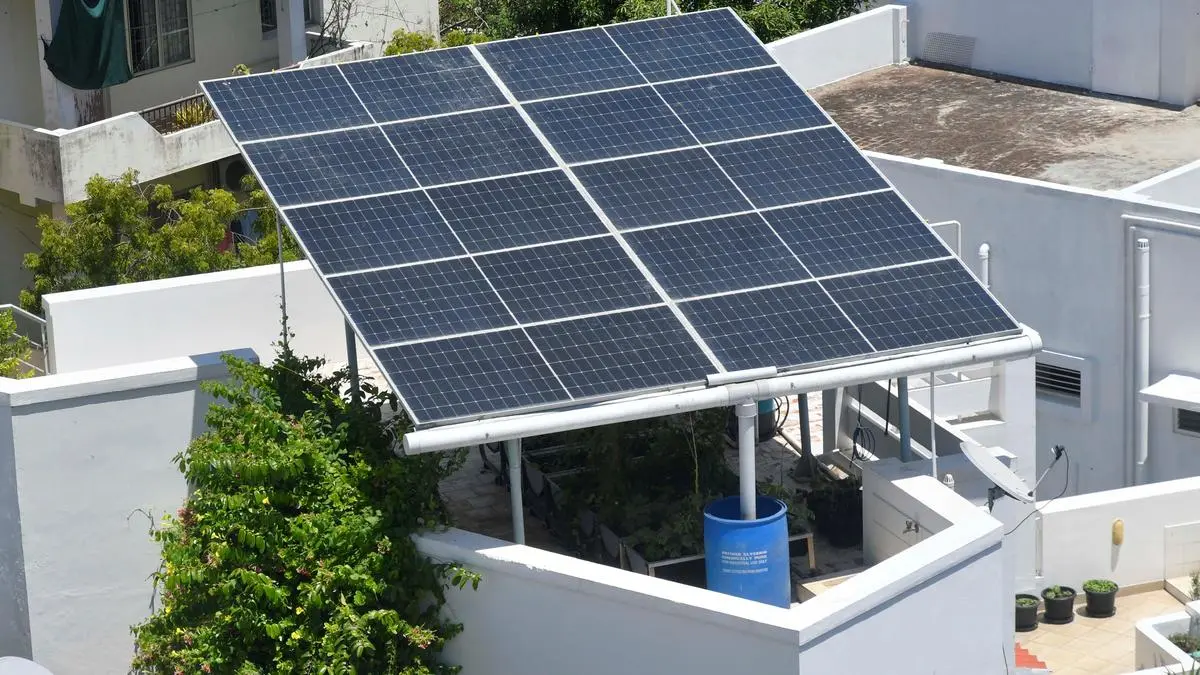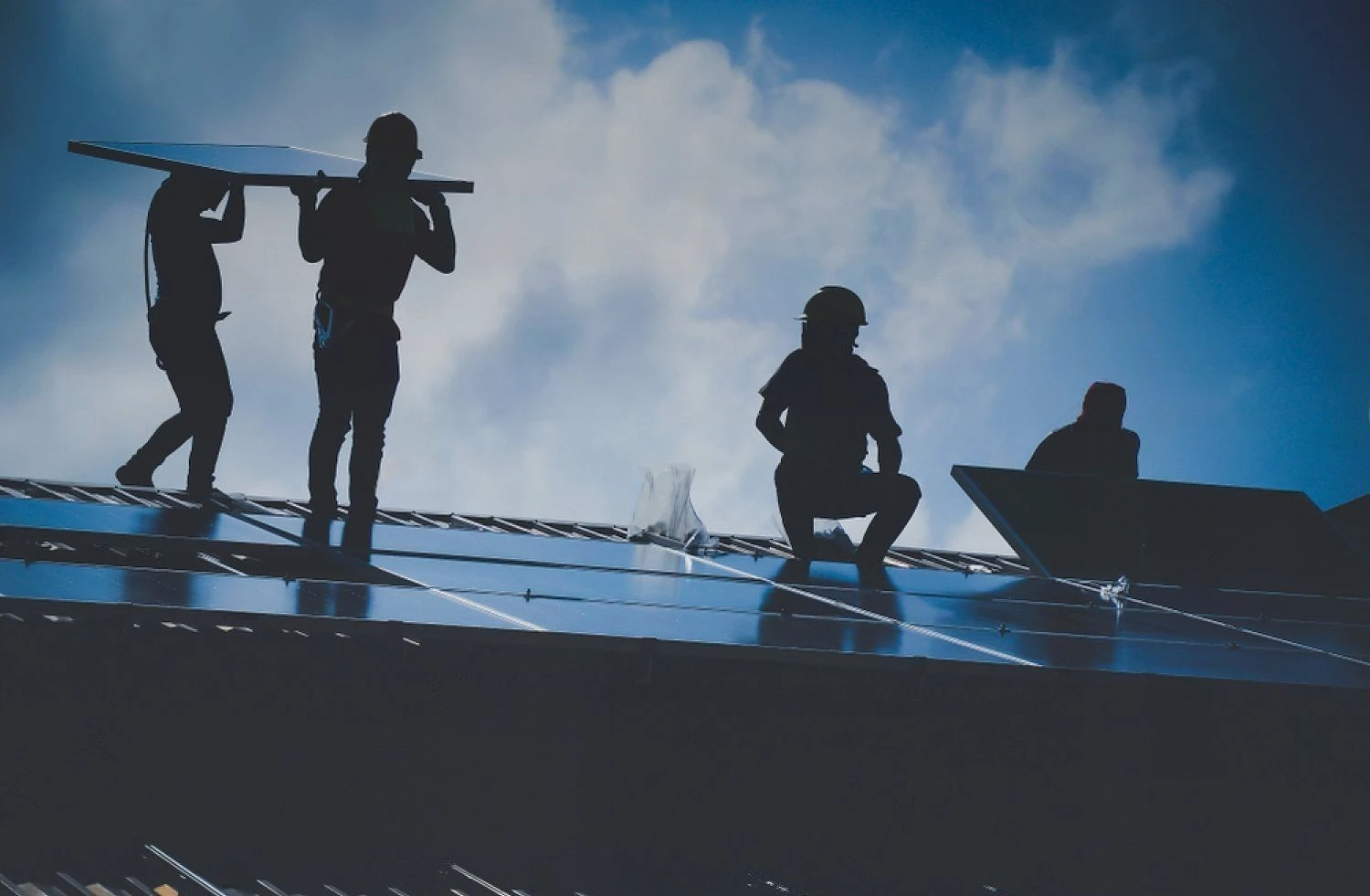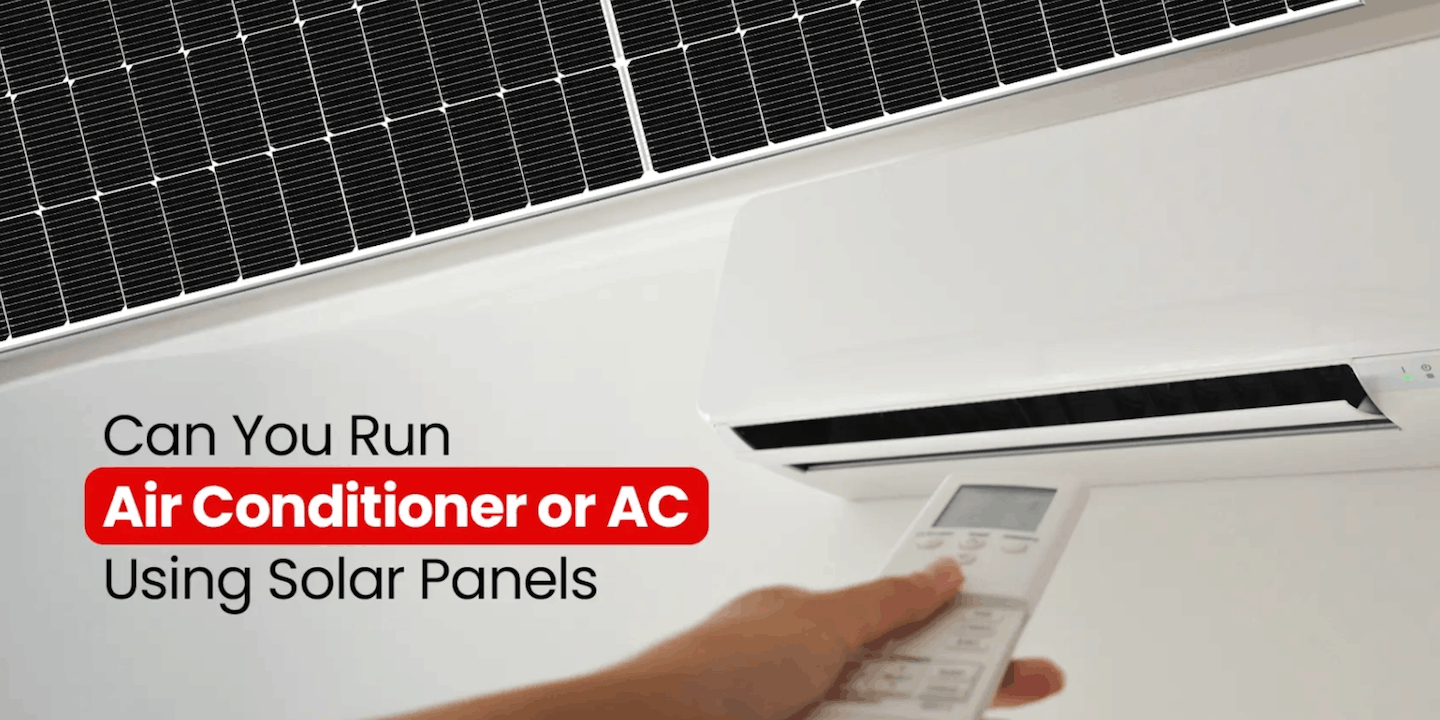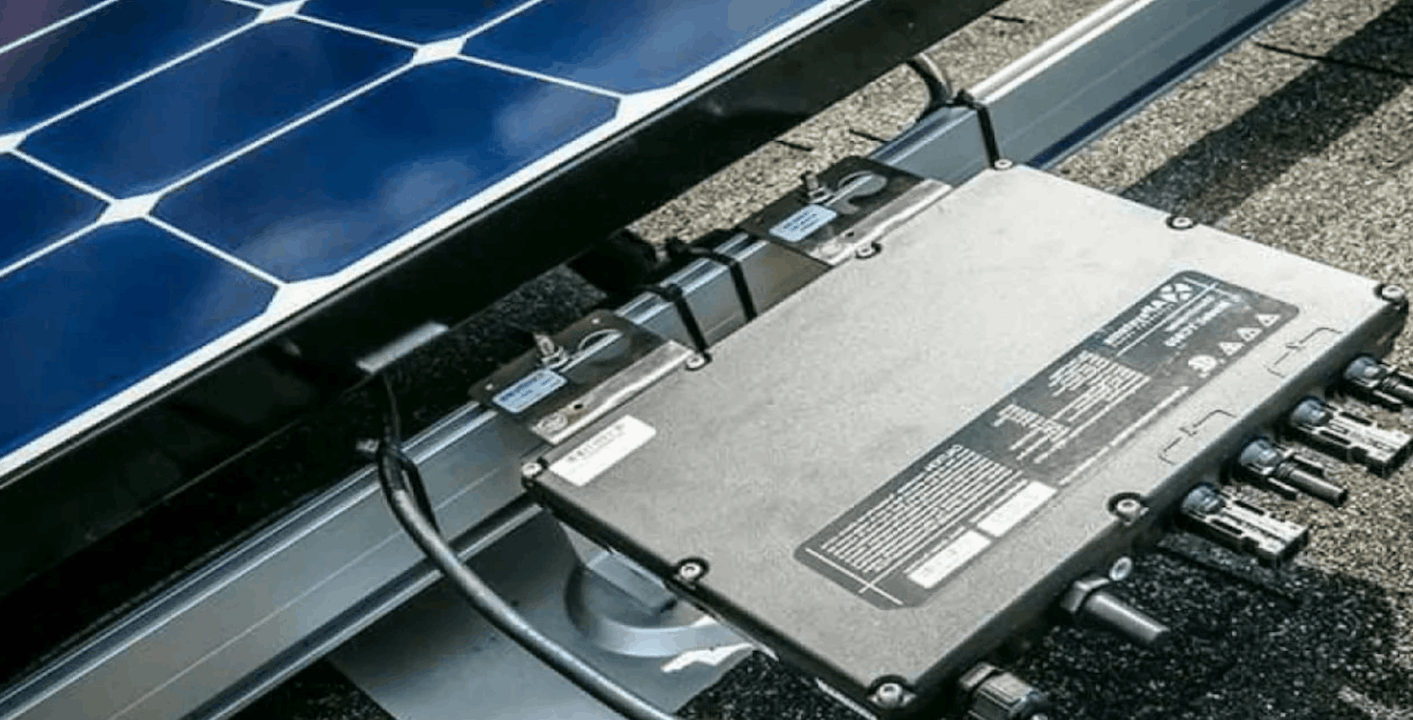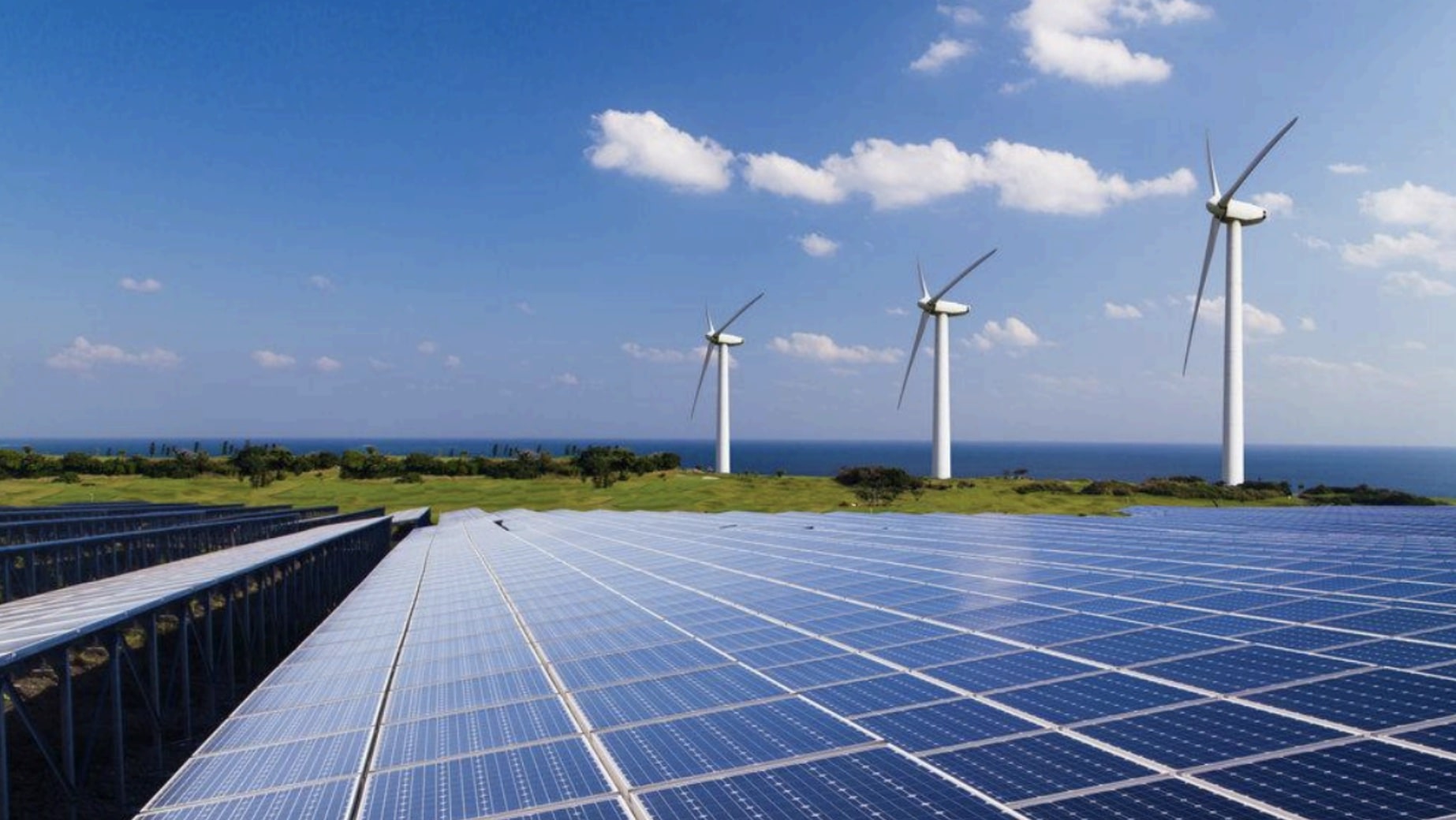

When it comes to installing a solar rooftop system, one of the most crucial components is the inverter. It acts as the heart of your solar setup, converting the DC (direct current) electricity generated by solar panels into AC (alternating current) that powers your home or business.

Choosing the right inverter ensures that your solar system operates efficiently, reliably, and safely for years to come. Let’s explore how to select the best inverter for your on-grid solar system.

1. Understand the Role of an On-Grid Inverter

An on-grid (grid-tied) inverter is designed to synchronize your solar power with the main utility grid. It manages the energy generated by your solar panels, supplying power to your home and exporting any excess electricity back to the grid — helping you save on electricity bills and even earn credits through net metering.

2. Choose the Right Type of Inverter

There are three main types of inverters suitable for on-grid systems:

🔸 String Inverters

  • Ideal for homes with uniform sunlight exposure.
  • Multiple panels are connected in series (“strings”) to a single inverter.
  • Cost-effective and easy to maintain.

🔸 Microinverters

  • Installed directly behind each solar panel.
  • Optimize power output for each panel individually.
  • Best suited for rooftops with shade or multiple orientations.

🔸 Hybrid Inverters

  • Combine the features of an on-grid inverter with battery compatibility.
  • Perfect for homeowners planning to add energy storage in the future.

3. Match the Inverter Capacity with Solar System Size

Your inverter’s capacity (kW) should closely match your solar panel capacity.
For example, a 5 kW solar system typically requires a 5 kW inverter.
Avoid undersized or oversized inverters — both can reduce system efficiency and affect performance.

4. Check Efficiency Ratings

A high-efficiency inverter ensures maximum power conversion.
Look for models with efficiency above 96%, which means less energy loss and more savings on your electricity bill.

5. Consider Smart Monitoring Features

Modern inverters come with Wi-Fi or app-based monitoring that allows you to track energy generation, consumption, and system performance in real time — right from your smartphone.

6. Look for Safety and Warranty

Ensure your inverter includes safety protections such as:

  • Over-voltage & over-current protection
  • Anti-islanding feature (disconnects automatically during grid failure)
  • Surge protection

Also, choose an inverter backed by a minimum 5-10 year warranty from a trusted brand.

7. Brand and After-Sales Support

Investing in a reputable brand with reliable service support is essential. Brands like Growatt, Sungrow, SolarEdge, and Enphase are well-known for durability and strong after-sales assistance — ensuring your system runs smoothly over time.

Final Thoughts

Selecting the right inverter for your on-grid solar system can make a significant difference in performance, reliability, and long-term savings. By considering factors like inverter type, capacity, efficiency, and warranty, you’ll be well on your way to making a smart and sustainable investment.

Connect With Us

At Educosmic Solutions Pvt. Ltd., we are committed to promoting clean and renewable energy solutions for a brighter future. Let our experts help you choose the right inverter and solar system tailored to your energy needs.

📞 Contact: +91 940-389-1609‬
🌐 Website: www.solarfusion.in
📧 Email: [email protected]
👤 Director: Mr Gavish Jaiswal

Note: Install a Solar Rooftop System at your residence under the PM Surya Ghar Bijli Yojana and avail a government subsidy of up to ₹78,000.

📲 Stay connected with us:
🔹 Facebook: facebook.com/solarfusionind
🔹 Instagram: instagram.com/solar_fusion75

As the demand for clean and efficient energy solutions grows, TOPCon (Tunnel Oxide Passivated Contact) solar panels are emerging as a next-generation technology in the solar industry. Designed for higher efficiency, better temperature performance, and longer lifespan, TOPCon panels are setting new benchmarks for solar power systems across the globe — including right here in India.

What Are TOPCon Solar Panels?

TOPCon is an advanced solar cell technology that improves upon traditional PERC panels. It uses an ultra-thin tunnel oxide layer and a passivated contact structure that reduces energy loss and enhances electron flow. The result? Greater efficiency and durability even under tough environmental conditions.

Key Benefits of TOPCon Panels

1. Higher Efficiency Levels

TOPCon panels offer efficiency rates of 22–24%, higher than standard monocrystalline or PERC panels. This means more power generation from the same rooftop area — a perfect choice for homes and businesses with limited space.

2. Better Performance in High Temperatures

India’s climate can be challenging for solar systems, but TOPCon panels handle heat better. With a lower temperature coefficient, they maintain performance even during the hottest summer days.

3. Improved Low-Light Performance

These panels generate more electricity during cloudy weather or early morning/evening hours, ensuring consistent power output throughout the day.

4. Longer Lifespan and Durability

TOPCon panels come with enhanced cell passivation and stronger build quality, reducing degradation and increasing longevity — giving you reliable energy for decades.

5. Better Bifacial Compatibility

TOPCon technology works efficiently in bifacial solar panels, allowing energy generation from both the front and rear sides of the panel, maximising total output.

6. Higher Return on Investment (ROI)

With better performance, reduced degradation, and longer lifespan, TOPCon panels deliver a higher ROI over the system’s lifetime — making them a smart long-term investment.

Why Choose TOPCon Panels for Your Home or Business?

  • Greater energy yield per square meter
  • Lower long-term maintenance cost
  • Future-ready technology aligned with global solar advancements
  • Ideal for residential rooftops, industries, and commercial buildings 

Power Your Home with the Best — Switch to TOPCon Panels Today!

At Educosmic Solutions Pvt. Ltd., we are committed to promoting clean and renewable energy solutions for a brighter future. Upgrade to TOPCon Solar Panels and experience superior performance, reliability, and savings.

Note: Install a Solar Rooftop System at your residence under the PM Surya Ghar Bijli Yojana and avail a government subsidy of up to ₹78,000.


📞 Contact: +91 940-389-1609‬
🌐 Website: www.solarfusion.in
📧 Email: [email protected]
👤 Director: Mr. Gavish Jaiswal

📲 Stay connected with us:
🔹 Facebook: facebook.com/solarfusionind
🔹 Instagram: instagram.com/solar_fusion75

Over the past decade, India has made remarkable strides in the solar energy sector and is now firmly among the world’s solar power leaders.

Where India Stands

  • According to the think-tank Ember, India in 2024 overtook Germany to become the third-largest generator of electricity from wind and solar combined globally. www.ndtv.com+3Ember Energy+3The Indian Express+3
  • More specifically, regarding solar generation, India generated around 113 billion units (BU) of solar power in 2023, surpassing Japan (110 BU). Energetica India+1
  • In terms of installed solar capacity, estimates for 2025 show India at approximately 73,000 MW (i.e., 73 GW), ranked among the top countries. World Population Review+2Ornate Solar+2

What This Means

  • Rapid growth: India has moved from being a smaller player to a major one in a relatively short time. For example, in 2010 India ranked 22nd globally for solar capacity; by the early 2020s it was in the top-10 and now top-3 for wind+solar generation. Ember Energy
  • Solar as a driver: Much of the capacity and generation growth comes from solar, with utility-scale parks, rooftop solar installations, and favourable policies enabling the shift.
  • Strategic importance: This ranking underscores India’s role in the global transition to clean energy, shows investor confidence, and sets a platform for further growth.

Why India’s Solar Success Matters

  • Environmental impact: More solar generation means less reliance on fossil fuels, lower emissions, and improved air-quality outcomes.
  • Energy security: Indigenous solar capacity helps reduce dependence on imported energy, enhances grid resilience, and supports decentralised production.
  • Economic potential: Growth in domestic manufacturing, exports, and job creation is all tied to strong solar sector performance.
  • Leadership role: Achieving top ranks gives India international credibility and sets the stage for collaboration in clean-energy innovation, financing, and deployment.

What Comes Next

  • Scaling up further: While third in ranking is a major milestone, the goal is to push further — both in capacity and generation share.
  • Rooftop penetration: Beyond large solar parks, widespread rooftop solar installations (homes, commercial buildings) will be vital.
  • Grid integration & storage: As solar share grows, managing intermittency (via storage, smart grids) will become key.
  • Policy and subsidy momentum: Government schemes and subsidies (such as for rooftop solar) can accelerate adoption among households and small businesses.

Install Solar At Your Home, Join the Movement

At Educosmic Solutions Pvt. Ltd., we are committed to promoting clean and renewable energy solutions for a brighter future.


Take advantage of the opportunity to install a Solar Rooftop System at your residence under the PM Surya Ghar Bijli Yojana and avail a government subsidy of up to ₹78,000.

📞 Contact: +91 940-389-1609
🌐 Website: www.solarfusion.in
📧 Email: [email protected]
👤 Director: Mr Gavish Jaiswal

📲 Stay connected with us:
🔹 Facebook: facebook.com/solarfusionind
🔹 Instagram: instagram.com/solar_fusion75


Over the past 10 years, India has emerged as a global leader in renewable energy, making tremendous strides toward a greener and more sustainable future. With ambitious government initiatives, growing public awareness, and technological innovation, India’s renewable energy landscape has transformed significantly.

India’s Remarkable Growth in the Renewable Energy Sector Over the Last DecadeA Decade of Transformation

In 2014, India’s total renewable energy capacity stood at around 35 GW. Today, it has crossed 180 GW, marking more than a fivefold increase in just a decade! This includes impressive growth in solar, wind, hydro, and bioenergy sectors.

The Government of India’s proactive policies—such as the National Solar Mission, Renewable Purchase Obligations (RPOs), and the PM Surya Ghar Bijli Yojana—have accelerated this transition, empowering millions of citizens to embrace clean energy.

Solar Power: Leading the Charge

Among all renewable sources, solar energy has shown the fastest growth. From less than 3 GW in 2014 to over 80 GW in 2025, India’s solar revolution is reshaping how homes, businesses, and industries consume energy.
Rooftop solar systems, supported by government subsidies, have enabled thousands of households to reduce their electricity bills while contributing to a cleaner planet.

Wind and Other Renewables on the Rise

Wind energy continues to play a crucial role, contributing nearly 45 GW to India’s clean energy capacity. Meanwhile, hydro and biomass projects have helped maintain grid stability and support rural electrification.

Global Recognition

India now ranks among the top five countries in the world for installed renewable energy capacity. The nation’s commitment to achieving 500 GW of non-fossil fuel-based capacity by 2030 demonstrates its dedication to combating climate change and ensuring energy security for all.

The Road Ahead

With policies like the PM Surya Ghar Bijli Yojana, every citizen can be part of this green movement. By installing a Solar Rooftop System, you not only reduce your carbon footprint but can also avail a government subsidy of up to ₹78,000—making solar energy more affordable than ever!

Connect With Us

At Educosmic Solutions Pvt. Ltd., we are committed to promoting clean and renewable energy solutions for a brighter, sustainable future. Join hands with us to make India energy independent and eco-friendly.

📞 Contact: +91 940-389-1609‬
🌐 Website: www.solarfusion.in
📧 Email: [email protected]
👤 Director: Mr Gavish Jaiswal

Note: Install a Solar Rooftop System at your residence under the PM Surya Ghar Bijli Yojana and avail a government subsidy of up to ₹78,000.

📲 Stay connected with us:
🔹 Facebook: facebook.com/solarfusionind
🔹 Instagram: instagram.com/solar_fusion75

Switching to solar energy is one of the smartest decisions homeowners and businesses can make today. But have you ever wondered how you get credit for the extra electricity your solar panels generate? That’s where net metering comes in — a system designed to make solar energy even more rewarding.

What Is Net Metering?

Net metering is a billing system that allows solar energy users to send the extra electricity they produce back to the grid. When your solar panels generate more power than you use (like on a sunny afternoon), that surplus electricity is fed into the utility grid. In return, you earn credits on your electricity bill.

Later, when your solar system produces less power (such as at night or during cloudy weather), you can use those earned credits to offset the electricity you consume from the grid.

In simple terms, your electric meter runs backwards when you produce more than you consume, reducing your overall energy cost.

How It Works Step by Step

  • Solar panels generate electricity from sunlight during the day.
  • Your home uses what it needs — any excess power is sent to the utility grid.
  • Your meter tracks both directions — electricity consumed and electricity sent back.
  • You earn credits for the surplus energy you supply to the grid.
  • During low-sunlight hours, you draw power from the grid using those credits.

This way, your electricity bill reflects only your net energy usage — that’s why it’s called net metering.

Top Benefits of Net Metering

🌞 1. Lower Electricity Bills
By offsetting your energy consumption with the credits you earn, you can drastically cut down your monthly electricity costs — sometimes even eliminate them.

🌍 2. Promotes Renewable Energy Use
Net metering encourages more people to adopt solar energy, helping reduce dependence on fossil fuels and lowering carbon emissions.

⚡ 3. Efficient Energy Use
Instead of wasting excess solar energy, net metering ensures it’s utilised efficiently by sharing it with others on the grid.

💰 4. Faster Return on Investment
With savings on bills and potential government incentives, your solar installation pays for itself much sooner.

🏠 5. Energy Independence
You become less reliant on the utility company and are better protected from rising electricity rates.

Net metering is not just a billing mechanism — it’s a gateway to smarter, cleaner, and more affordable energy. It allows you to make the most out of your solar power system while contributing to a greener planet.

So, if you’re considering switching to solar, make sure to choose a system that supports net metering — your wallet and the environment will thank you!

🌞 Ready to switch to solar?

Connect With Us

At Educosmic Solutions Pvt. Ltd., we are committed to promoting clean and renewable energy solutions for a brighter future.

📞 Contact: +91 940-389-1609‬
🌐 Website: www.solarfusion.in
📧 Email: [email protected]
👤 Director: Mr. Gavish Jaiswal

Note: Install a Solar Rooftop System at your residence under the PM Surya Ghar Bijli Yojana and avail a government subsidy of up to ₹78,000.

📲 Stay connected with us:

Facebook: https://www.facebook.com/solarfusionind
Instagram: https://www.instagram.com/solar_fusion75/?hl=en

Solar rooftops are becoming increasingly popular in both residential and commercial spaces. While the core technology—converting sunlight into electricity—remains the same, the way solar is used in homes versus offices can be quite different.
If you’re considering solar, here’s a breakdown of the key differences between solar rooftops for homes and for offices.

1. Energy Consumption Patterns

  • Homes: Residential usage is typically higher in the morning and evening when family members are at home.
  • Offices: Offices consume most of their power during the day, exactly when solar panels generate the most electricity.

👉 This makes solar especially cost-effective for offices, since daytime demand and solar generation align perfectly.

2. System Size and Capacity

  • Homes: Most households need 2 kW to 10 kW systems, depending on the number of appliances and electricity bills.
  • Offices: Offices usually require larger systems (10 kW to 100+ kW) to handle lighting, air conditioning, and equipment.

👉 The scale of installation directly impacts cost, savings, and payback period.

3. Roof Space Availability

  • Homes: Limited rooftop area, especially in urban settings, can restrict the size of the system.
  • Offices: Commercial buildings often have bigger rooftops, making it easier to install higher-capacity systems.

4. Net Metering Benefits

  • Homes: Net metering helps offset bills, but savings depend on household usage patterns.
  • Offices: Since offices consume most of their generated solar power directly during the day, they rely less on exporting to the grid, maximizing immediate savings.

5. Financial Perspective

  • Homes: Focus is on reducing monthly electricity bills and securing long-term savings. Payback period is usually 4–6 years.
  • Offices: Businesses look at solar as an investment in operational cost reduction and sustainability goals. With higher usage, the payback can be even faster—3–5 years.

6. Environmental Impact

  • Homes: A residential solar system can reduce a household’s carbon footprint significantly over its lifetime.
  • Offices: Large-scale office systems can cut down tons of CO₂ emissions annually, making a big difference toward corporate social responsibility (CSR) and sustainability targets.

Conclusion:
While both homes and offices benefit greatly from solar rooftops, the key differences lie in scale, consumption patterns, and savings potential.
For homes, solar is about lowering bills and achieving energy independence.

For offices, it’s about reducing operational costs and showcasing a strong commitment to sustainability.

Either way, solar rooftops are a smart, future-ready investment—whether in your home or your workplace.

Connect With Us
At Educosmic Solutions Pvt. Ltd., we are committed to promoting clean and renewable energy solutions for a brighter future.
📞 Contact: +91 940-389-1609‬
🌐 Website: www.solarfusion.in
📧 Email: [email protected]
👤 Director: Mr. Gavish Jaiswal

Note: Install a Solar Rooftop System at your residence under the PM Surya Ghar Bijli Yojana and avail a government subsidy of up to ₹78,000.
📲 Stay connected with us:

  • Facebook: https://www.facebook.com/solarfusionind
  • Instagram: https://www.instagram.com/solar_fusion75/?hl=en

When you invest in a solar rooftop system, one of the first questions that comes to mind is:
“How long will my solar panels actually last?”
The good news is that solar rooftop panels are built to be durable, reliable, and long-lasting. Let’s understand their typical lifespan and what affects their performance over time.

Average Lifespan of Solar Panels
Most high-quality solar rooftop panels last for 25 to 30 years. That doesn’t mean they stop working after that period—it just means their efficiency may reduce gradually. Even after 25 years, panels can still generate electricity, often at 70–80% of their original capacity.

What Affects Solar Panel Lifespan?

  • Panel Quality
    Panels from reputed manufacturers come with better materials and warranties, ensuring long-term durability.
  • Installation Quality
    A professionally installed system ensures proper wiring, mounting, and orientation, which directly impacts longevity.
  • Maintenance
    Solar panels need very little maintenance—mainly cleaning dust and bird droppings. Regular upkeep helps maintain efficiency.
  • Climate Conditions
    Extreme heat, storms, or heavy dust can affect performance. However, most panels are designed to withstand harsh weather.

Warranties and Performance Guarantees
Manufacturers typically offer:

  • Product Warranty: Covers defects for 10–12 years.
  • Performance Warranty: Guarantees 80–85% efficiency even after 25 years.

This gives you peace of mind that your investment is protected for the long term.

Do Other Components Last as Long?

  • Inverter: Usually lasts 8–12 years and may need replacement once during the system’s lifetime.
  • Battery (if installed): Lasts 5–10 years, depending on type and usage.

The panels themselves, however, remain the most durable part of the system.

Conclusion
Solar rooftop panels are a long-term investment that can reliably generate clean electricity for 25+ years. With minimal maintenance and proper installation, you can enjoy decades of savings on your electricity bills while contributing to a sustainable future.
So, when you choose solar, you’re not just investing for today—you’re securing energy independence for the next generation too.

Connect With Us
At Educosmic Solutions Pvt. Ltd., we are committed to promoting clean and renewable energy solutions for a brighter future.
📞 Contact: +91 940-389-1609‬
🌐 Website: www.solarfusion.in
📧 Email: [email protected]
👤 Director: Mr Gavish Jaiswal

Note: Install a Solar Rooftop System at your residence under the PM Surya Ghar Bijli Yojana and avail a government subsidy of up to ₹78,000.
📲 Stay connected with us:

  • Facebook: https://www.facebook.com/solarfusionind
  • Instagram: https://www.instagram.com/solar_fusion75/?hl=en

Switching to a solar rooftop is one of the smartest investments you can make today—both for your wallet and for the planet. But one of the most common questions people ask is:
“How long will it take to recover my investment in a solar rooftop system?”
The answer depends on a few key factors. Let’s break it down.

1. Upfront Cost of Installation
The initial investment in a solar rooftop system depends on its size, brand, and whether you opt for a battery backup. On average, residential systems in India cost between ₹40,000 to ₹60,000 per kW (before subsidy).
For example:

  • A 3 kW system may cost around ₹1.2–1.5 lakh.
  • A 5 kW system may cost around ₹2–2.5 lakh.

Government subsidies can reduce this cost significantly, making the payback faster.

2. Your Monthly Electricity Bill
The higher your electricity consumption, the faster you recover the cost.

  • If your bill is around ₹3,000–₹5,000 per month, a 3–5 kW system can cut your bill by 70–90%.
  • This means annual savings of ₹40,000–₹60,000, which directly shortens your payback period.

3. Average Payback Period
For most households, the cost of a solar rooftop system is recovered within 4 to 6 years.
After this period, the electricity you generate is practically free (except for minimal maintenance), and your savings continue for the remaining lifespan of the system—typically 20+ years.

4. Factors That Can Speed Up Payback

  • Government Subsidies: Current subsidies can cover 20–40% of the system cost.
  • High Grid Tariffs: If your electricity rate is high, your savings are higher, and payback is quicker.
  • Net Metering Benefits: Selling excess power back to the grid further reduces your effective payback time.

5. Real-Life Example
Let’s say you install a 5 kW solar rooftop system costing ₹2.2 lakh (after subsidy).

  • Monthly electricity bill: ₹5,000
  • Annual savings: ₹60,000
  • Payback time: Around 3.5–4 years

For the next 20 years, you enjoy almost free electricity and save ₹10–12 lakh in total.

Conclusion
Recovering the cost of a solar rooftop system doesn’t take long—just 4–6 years for most households. After that, your system pays you back many times over in the form of reduced bills and long-term savings.
So, the sooner you invest, the sooner you start reaping the rewards of clean and free solar energy.

Connect With Us
At Educosmic Solutions Pvt. Ltd., we are committed to promoting clean and renewable energy solutions for a brighter future.
📞 Contact: +91 940-389-1609‬
🌐 Website: www.solarfusion.in
📧 Email: [email protected]
👤 Director: Mr Gavish Jaiswal

Note: Install a Solar Rooftop System at your residence under the PM Surya Ghar Bijli Yojana and avail a government subsidy of up to ₹78,000.
📲 Stay connected with us:
Facebook: https://www.facebook.com/solarfusionind

Instagram: https://www.instagram.com/solar_fusion75/?hl=en

Rising electricity bills, increasing awareness about clean energy, and government incentives are making solar rooftop systems more popular than ever. But how do you know if it’s the right time for you to make the switch? Here are five clear signs that tell you solar is not just a good idea, but the smart next step.

1. Your Electricity Bills Are Constantly Rising
If you’ve noticed your power bills going up month after month, a solar rooftop system can help you take control. Once installed, solar panels generate free electricity for 25+ years, protecting you from unpredictable tariff hikes and giving long-term savings.

2. You Have Access to Unused Rooftop Space
A flat, open rooftop that gets plenty of sunlight is a wasted opportunity if it isn’t powering your home. By installing solar panels, you can turn that unused space into a productive energy source—reducing your bills while adding value to your property.

3. You’re Looking for a Secure Investment
Unlike traditional investments that fluctuate, a solar rooftop offers guaranteed returns through savings on electricity bills. Most systems pay for themselves within 2-3 years, and the rest of the lifespan is pure savings. That’s a reliable financial decision.

4. You Want Energy Independence
Frequent power cuts or reliance on the grid can be frustrating. A solar rooftop system, especially when paired with a battery backup, gives you the freedom to generate and use your own electricity—reducing your dependence on external providers.

5. You Care About a Sustainable Future
Switching to solar is not just about money—it’s about making a difference. Every kilowatt of solar energy reduces carbon emissions and helps build a cleaner, greener future. If sustainability is a priority for you, solar is the way forward.

Final Thoughts
If one or more of these signs resonate with you, now is the right time to consider switching to a solar rooftop system. With modern technology, government subsidies, and faster installation processes, adopting solar has never been easier.
Start today, and let your roof pay you back while you enjoy energy savings for decades.

Connect With Us
At Educosmic Solutions Pvt. Ltd., we are committed to promoting clean and renewable energy solutions for a brighter future.
📞 Contact: +91 940-389-1609‬
🌐 Website: www.solarfusion.in
📧 Email: [email protected]
👤 Director: Mr. Gavish Jaiswal

Note: Install a Solar Rooftop System at your residence under the PM Surya Ghar Bijli Yojana and avail a government subsidy of up to ₹78,000.
📲 Stay connected with us:
Facebook: https://www.facebook.com/solarfusionind

Instagram: https://www.instagram.com/solar_fusion75/?hl=en

Installing a rooftop solar system is one of the best decisions for reducing electricity bills and embracing clean energy. But before you go solar, you’ll need to choose between two major types of systems: grid-tied and off-grid. Both have unique benefits, and the right choice depends on your lifestyle, location, and energy needs.

Grid-Tied Solar:

Connected to the electricity grid. Extra power goes back to the grid (net metering), and you can draw electricity when solar isn’t enough.
✅ Lower cost (no batteries)
✅ Net metering benefits
✅ Avail government subsidies.
⚠️ Doesn’t work during power cuts
Best for: Homes in cities with reliable electricity.
Off-Grid Solar
Works independently with batteries to store energy for night or cloudy days.
✅ Energy independence
✅ Works during power-cuts
✅ Ideal for farmhouses, off-grid areas, and locations with frequent power cuts.
⚠️ Higher cost (batteries needed)
⚠️ More maintenance
Best for: Remote or outage-prone areas.

Final Thoughts

City homes? Go on-grid.

Remote areas? Choose off-grid.

Want the best of both? A hybrid system combines solar + grid + batteries.

Not sure which fits your needs? Book a free solar consultation today!

Connect With Us
At Educosmic Solutions Pvt. Ltd., we are committed to promoting clean and renewable energy solutions for a brighter future.
📞 Contact: +91 940-389-1609‬
🌐 Website: www.solarfusion.in
📧 Email: [email protected]
👤 Director: Mr. Gavish Jaiswal

Note: Install a Solar Rooftop System at your residence under the PM Surya Ghar Bijli Yojana and avail a government subsidy of up to ₹78,000.

📲 Stay connected with us:
Facebook: https://www.facebook.com/solarfusionind
Instagram: https://www.instagram.com/solar_fusion75