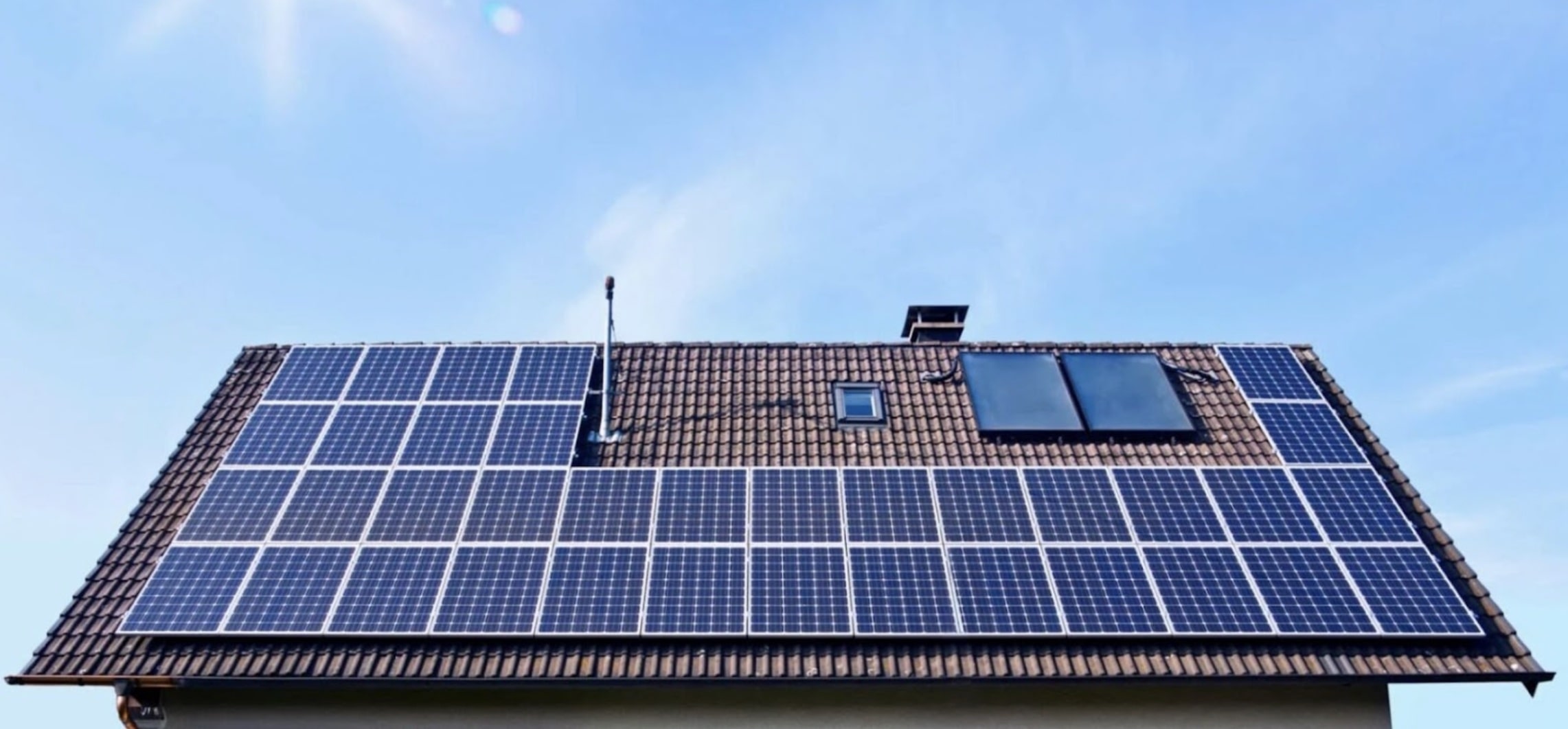
Installing a rooftop solar system is a smart investment that helps reduce electricity bills, increase energy independence, and support a cleaner environment. While solar systems are known for being low-maintenance, regular care is essential to ensure they continue performing efficiently for 25 years or more.
The good news is that maintaining a solar system doesn’t require much effort. A few simple checks and routine maintenance can help maximize energy generation, extend the life of your system, and prevent costly repairs.
Here’s a complete solar system maintenance checklist every homeowner should follow.
Why Is Solar Maintenance Important?
A well-maintained solar system offers several benefits, including:
- Maximum electricity generation
- Lower electricity bills
- Longer equipment lifespan
- Better return on investment
- Early detection of potential issues
- Reliable performance throughout the year
Regular maintenance ensures your system continues to deliver the savings you expected when you invested in solar.
1. Clean Your Solar Panels Regularly
Dust, dirt, bird droppings, leaves, and pollution can reduce the amount of sunlight reaching the solar panels.
Cleaning your panels helps maintain optimal efficiency.
Tips:
- Clean the panels early in the morning or late in the evening.
- Use clean water and a soft sponge or microfiber cloth.
- Avoid abrasive materials or harsh chemicals that may damage the glass surface.
- If the roof is difficult to access, hire a professional cleaning service.
The cleaning frequency depends on your location, weather conditions, and the amount of dust or pollution in your area.
2. Inspect for Shading
Trees grow over time, and new buildings or structures may create shadows on your panels.
Even partial shading can reduce your system’s performance.
Checklist:
- Check for overgrown tree branches.
- Ensure water tanks or rooftop structures aren’t blocking sunlight.
- Trim vegetation if required.
- Keep the area around the panels clear.
3. Monitor Electricity Generation
Most modern solar systems come with monitoring apps or online portals.
Regularly reviewing your system’s performance helps you identify any unusual drop in electricity generation.
Watch for:
- Sudden reduction in daily output
- Error notifications
- Inverter warnings
- Unexpected changes in electricity savings
If you notice a significant drop in performance, contact your solar installer for an inspection.
4. Check the Inverter
The inverter is one of the most important components of your solar system.
A properly functioning inverter ensures efficient conversion of solar energy into usable electricity.
Look for:
- Normal operating indicators
- Error messages or warning lights
- Unusual sounds
- Overheating
If you notice any abnormalities, seek professional assistance instead of attempting repairs yourself.
5. Inspect Wiring and Electrical Connections
Over time, weather conditions and normal wear can affect electrical connections.
During periodic maintenance, ensure that:
- Cables are secure
- Wiring insulation is intact
- Junction boxes remain sealed
- There are no visible signs of corrosion or damage
Electrical inspections should always be carried out by trained professionals.
6. Check the Mounting Structure
Solar panels must remain securely mounted throughout their lifespan.
Inspect the mounting structure for:
- Loose bolts or fasteners
- Rust or corrosion
- Signs of structural damage
- Movement caused by strong winds
A stable mounting system ensures both safety and long-term performance.
7. Remove Nearby Debris
Leaves, branches, nests, or accumulated debris around the panels may affect airflow and system performance.
Keep your rooftop clean and ensure nothing obstructs the solar panels.
8. Schedule Professional Maintenance
Although homeowners can perform basic visual inspections, professional servicing helps detect hidden issues before they become major problems.
A professional maintenance visit may include:
- Performance testing
- Electrical safety checks
- Inverter inspection
- Wiring inspection
- Panel cleaning (if required)
- Overall system health assessment
An annual professional inspection is a good practice for maintaining peak performance.
9. Inspect After Extreme Weather
Heavy rainfall, strong winds, hail, or storms can affect your solar system.
After severe weather, inspect for:
- Cracked panels
- Loose mounting structures
- Damaged wiring
- Water leakage near electrical components
If you notice any damage, contact your installer immediately.
Signs Your Solar System May Need Attention
Watch for these warning signs:
- Lower-than-usual electricity generation
- Higher electricity bills
- Frequent inverter faults
- Visible cracks or damage
- Loose electrical connections
- Monitoring system alerts
Addressing these issues early can help prevent expensive repairs and maintain system efficiency.
Simple Maintenance, Long-Term Savings
One of the biggest advantages of rooftop solar is its low maintenance requirement. With regular cleaning, routine inspections, and occasional professional servicing, your solar system can continue generating clean energy and reducing electricity bills for decades.
A little maintenance today can help you maximize your investment and ensure reliable performance for years to come.
Trust Solar Fusion for Reliable After-Sales Support
At Solar Fusion, our commitment doesn’t end after installation. We provide expert guidance, professional maintenance support, and dependable after-sales service to help homeowners keep their solar systems operating at peak efficiency.
Whether you need a routine inspection, performance check, or assistance with your rooftop solar system, our experienced team is always ready to help.
📞 Contact Us
Start your solar journey today with expert guidance.
📞 Contact: +91 940-389-1609
🌐 Website: www.solarfusion.in
📧 Email: [email protected]
Director: Mr. Gavish Jaiswal
📲 Stay Connected
Facebook: facebook.com/solarfusionind
Instagram: instagram.com/solar_fusion75